Optimized for Ethiopian industrial parks, flower farms, warehouse complexes, and commercial logistics hubs across Addis Ababa, Hawassa, and Dire Dawa.
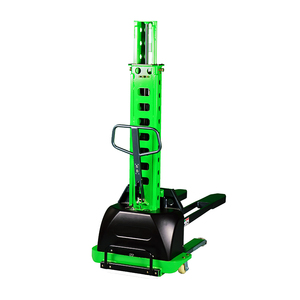
Heavy-duty metal frame pallet truck equipped with high-durability polyurethane three-wheel configuration. Ideal for dense industrial warehouse maneuvering and logistics loading docks.
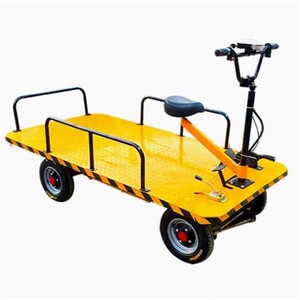
Battery-powered electric flatbed platform designed for multi-purpose factory floor transport, bulk material movement, and inter-facility cargo distribution.
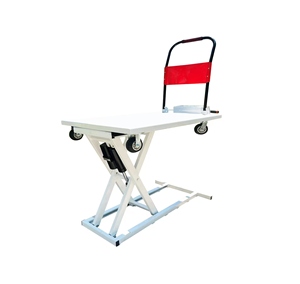
Customizable 4-wheel lifting trade flatbed cart engineered for floriculture, horticulture, and commercial greenhouse harvesting operations in East Africa.
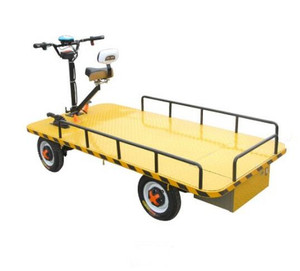
High-capacity ride-on platform cart constructed for long-distance internal yard transport, airport cargo handling, and industrial manufacturing plants.
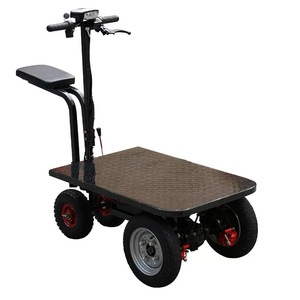
Portable warehouse electric hand trolley designed for compact storage, effortless vehicle transport, and urban commercial parcel distribution.
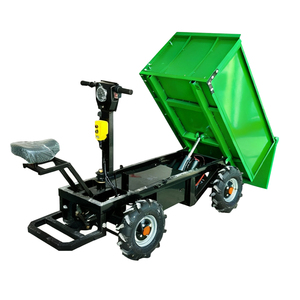
Motorized hand push trolley equipped with an automatic hydraulic or manual tipping bucket. Designed for construction debris, agricultural soil, and bulk cargo handling.
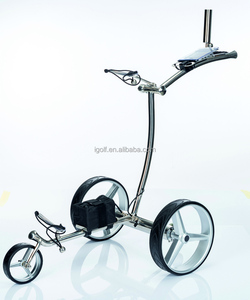
Quiet, zero-emission passenger and light utility vehicle for resorts, golf courses, corporate estates, and government administrative campuses.
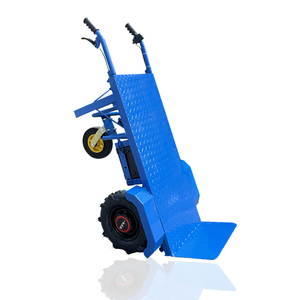
Specialized three-wheel star crawler structure built for moving heavy cargo up stairs, vertical steps, and steep incline architectural structures seamlessly.
A comprehensive analysis of market drivers, regulatory changes, and engineering adaptations required for commercial utility transportation across the Horn of Africa.
Ethiopia is undergoing an unprecedented structural transition in its transportation and logistics sectors. Driven by the Federal Democratic Republic of Ethiopia’s national vision for green growth—exemplified by the country’s aggressive Ten-Year Development Plan (2021–2030) and the landmark decision by the Ministry of Transport and Logistics to restrict non-electric vehicle imports—the demand for commercial utility electric vehicles (EVs) has surged exponentially.
While public discussion often focuses on passenger automobiles, the real operational bottleneck lies within internal industrial logistics, agricultural processing, and municipal services. Facilities operating in Ethiopia’s expanding network of Industrial Parks (such as Hawassa, Bole Lemi, Kilinto, and Kombolcha) require efficient, zero-emission material handling equipment that avoids the soaring costs and supply disruptions of imported fossil fuels.
Ethiopia's Ministry of Finance implemented substantial duty reductions and tax exemptions for completely knocked down (CKD) and fully assembled electric vehicles, making EV capital expenditures significantly more attractive than combustion alternatives.
With massive hydro-electric capacity expansion generating low-cost, abundant clean electricity, domestic electricity cost per kilometer is over 85% lower than imported diesel or gasoline fuels.
Strict safety and export quality compliance standards in floriculture and food processing facilities mandate zero internal combustion exhaust near perishable export products.
Exporting utility vehicles to Ethiopia requires far more than changing charging plugs. Standard commercial electric carts built for sea-level warehouses frequently experience premature component failure when deployed in Ethiopian conditions without specific engineering upgrades.
Our manufacturing facility integrates specific structural and thermal enhancements designed specifically to solve the environmental challenges presented by Ethiopian geography:
Addis Ababa sits at over 2,350 meters above sea level. Thinner air reduces passive cooling effectiveness for electric motors and controllers. Our Ethiopian-spec utility carts utilize oversized heat sinks and forced-air cooling systems to prevent thermal throttling during heavy continuous duty cycles.
Navigating steep inclines in mountain regions require high-ratio gearbox reduction, electromagnetic hill-hold brakes, and regenerative braking systems that recharge energy during descent while ensuring absolute operator safety.
Sub-Saharan dry seasons create fine volcanic dust that penetrates standard motor housings. All critical electrical connections, controllers, and brushless AC/DC drive systems carry minimum IP65 ingress protection ratings.
Cobblestone streets, unpaved factory yards, and agricultural access roads demand high-clearance steel chassis frames, multi-leaf spring suspension setups, and heavy-ply solid rubber or pneumatic off-road tires.
Through years of direct manufacturing feedback and deployment across East Africa, our electric utility vehicles have established proven operational dominance in four main sectors:
| Sector / Region | Primary Utility Vehicle Model | Operational Requirement | Impact / ROI Value |
|---|---|---|---|
| Floriculture & Agriculture (Bishoftu, Ziway, Bahir Dar) |
Electric Hydraulic Greenhouse Trolleys & Flatbeds | Delicate cut-rose transportation, narrow row navigation, zero exhaust fumes to preserve flower longevity. | Zero product contamination, 40% reduction in manual harvest labor time. |
| Industrial Parks & Warehousing (Bole Lemi, Hawassa SEZ) |
1.5 Ton Pallet Jacks & Heavy-Duty 4-Wheel Flatbeds | 24/7 continuous pallet shifting, textile roll transportation, high weight-to-footprint ratio. | Low noise levels, 80% reduction in fuel/maintenance operating overhead. |
| Urban Commercial Logistics (Addis Ababa, Adama) |
500kg Stair-Climbing Carts & Mini Dumpers | Last-mile multi-story building delivery without elevators, construction site aggregate moving. | Eliminates physical fatigue injuries, navigates steep urban stairs effortlessly. |
| Hospitality & Institutional (Lalibela, Hawassa Resorts, AAU) |
Electric Golf & Utility Transport Carts | VIP guest transport, laundry/housekeeping cargo distribution across large expansive properties. | Silent operation preserves peaceful environment for international tourists. |
As a premier global vehicle manufacturer specializing in low-speed vehicles (LSVs), electric utility flatbeds, and industrial material handling equipment, our factory operates with complete end-to-end manufacturing accountability.
Unlike trading intermediaries or re-packagers, we engineer our chassis architectures from structural tubular steel, apply cathodic dip electrocoating for maximum rust resistance, and maintain strict quality management protocols throughout the assembly pipeline.
Every commercial vehicle build carries a unique, internationally recognized 17-digit Vehicle Identification Number tied to our World Manufacturer Identifier (WMI). This provides total legitimacy for customs clearance, fleet asset logging, and institutional auditing.
We utilize standardized controller protocols (Curtis / Sevcon compatible), modular battery tray designs, and universally accessible mechanical brake assemblies. Ethiopian fleet managers can easily source consumable maintenance items without long supply chain lead times.
Prior to shipment, all Ethiopian orders undergo full-load dynamic testing on simulated 20% incline ramps and high-vibration stress rigs to guarantee zero structural failures upon arrival at Djibouti Port or inland dry ports.
Calculating Total Cost of Ownership (TCO) in Ethiopian Birr (ETB) demonstrates the stark financial advantage of transitioning from conventional internal combustion engine (ICE) utility carts to electric alternatives:
| Expense Category (5-Year Horizon) | Conventional Diesel Utility Cart | Our Heavy-Duty Electric Utility Cart | Net Savings for Ethiopian Operators |
|---|---|---|---|
| Energy / Fuel Consumption | High (Subject to fuel shortages & rising ETB/Liter pump costs) | Low (Charged via hydro-electric grid during off-peak hours) | 82% Cost Reduction |
| Routine Maintenance (Engine oil, filters, belts, spark plugs) |
Frequent replacement cycles required in dusty environments | Zero engine maintenance (Only tire, brake pad, and battery fluid checks) | 75% Reduction in Maintenance |
| Import Duties & Levies | High custom tariffs & luxury excise taxes applied | Zero/Incentivized duty rates under national green EV policy | Up to 40% Initial Duty Savings |
| Operational Downtime | High (Engine overheating at high altitudes) | Minimal (Brushless solid-state powertrain) | +30% Equipment Utilization Rate |
Key information covering customs clearance, Letter of Credit (L/C) foreign exchange, shipping routes via Djibouti, and local warranty support.
Partner directly with a proven global utility vehicle manufacturer. Contact our technical sales engineering team today to receive detailed product specifications, custom OEM project quotations, and complete guidance on importing electric platform carts to Ethiopia.
Inquire Now