Direct factory-engineered models ready for municipal parks, golf courses, higher education campuses, and athletic field logistics across Seattle, Bellevue, and King County.
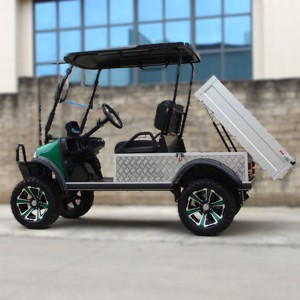
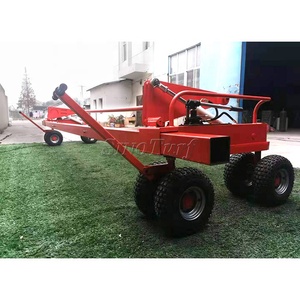
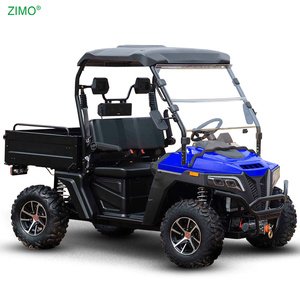
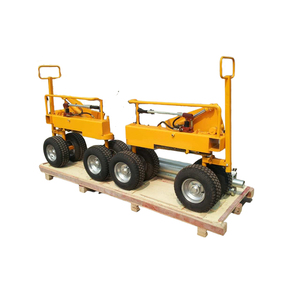
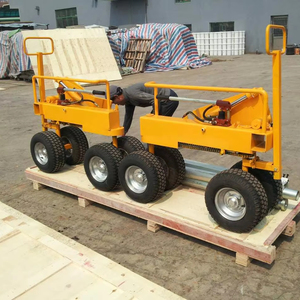
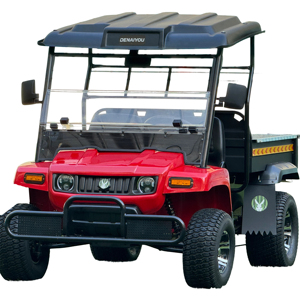
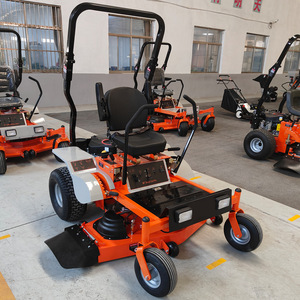
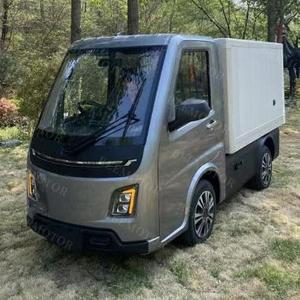
Engineered to conquer the unique environmental, regulatory, and topographical demands of the Greater Puget Sound region.
Seattle’s Department of Parks and Recreation oversees over 485 public parks, ranging from Discovery Park to Gas Works Park. Operating in these dense, ecologically sensitive urban green spaces demands quiet utility vehicles with low ground compaction. Our electric turf carts utilize wide-tread pneumatic tires that exert under 3.8 PSI of ground pressure, preventing root-zone damage and soil compaction on wet natural grass during damp Pacific Northwest winters.
Tech enterprise headquarters across Redmond, Bellevue, and South Lake Union manage expansive multi-acre campuses requiring zero-emission maintenance operations. Our CE-certified and DOT-compliant low-speed utility vehicles allow grounds crews to seamlessly transition between internal pedestrian walkways, turf fields, and public low-speed street connectors without producing exhaust fumes or disruptive engine noise during business hours.
Seattle’s distinctive glacial topography features steep inclines exceeding 15% gradients across areas like Capitol Hill, Queen Anne, and Magnolia. Standard 48V golf carts frequently stall or overheat under heavy payload stress. Our commercial turf utility vehicles feature high-torque AC induction motors combined with dual-stage regenerative downhill braking, electromagnetic automatic park brakes, and optional 4-wheel drive systems engineered for secure slope operation.
Operating near Elliott Bay and Lake Washington exposes grounds fleets to constant ambient moisture and corrosive salt-air conditions. Our factories apply automotive-grade hot-dip galvanized steel framing, aluminum powder-coated chassis platforms, IP66-rated water-sealed electrical harnesses, and stainless steel hardware as standard, ensuring maximum longevity in wet coastal climates.
Key market drivers reshaping commercial groundskeeping procurement across King County and Washington State.
Under Washington State Executive Orders and King County's Strategic Climate Action Plan (SCAP), public entities and enterprise facilities are required to transition off small off-road gas engines (SORE). Electric utility carts and turf equipment eliminate site-level carbon emissions and comply with municipal noise ordinance thresholds (<60 dBA at property lines).
Due to high annual precipitation in Western Washington, school districts and sports complexes from Shoreline to Renton are replacing natural turf with all-weather synthetic grass. Installing and maintaining rubber infill requires heavy-duty motorized roll-handling, lifting, and unspooling vehicles designed specifically not to shear synthetic fibers during installation.
Legacy lead-acid battery utility carts lose up to 35% of their energy capacity when operating in cold Pacific Northwest spring temperatures (35°F–45°F). Modern Seattle fleet directors are adopting integrated LiFePO4 battery modules equipped with smart BMS thermal pre-heating, offering 4,000+ cycle lifespans and rapid 2-hour recharge turnarounds.
Direct factory comparison between standard utility golf carts and OEM heavy-duty turf vehicles engineered for Seattle commercial operations.
| Specification Feature | Standard Commercial Golf Cart | OEM Electric Turf Utility Vehicle | Specialized Synthetic Turf Handler |
|---|---|---|---|
| Chassis Architecture | Standard Welded Steel Pipe | Hot-Dip Galvanized / Aluminum Frame | Reinforced Structural Steel Gantry |
| Motor & Drive System | 3.0 kW DC Motor (Rear 2WD) | 5.0 kW - 7.5 kW AC Induction / 4WD | Hydraulic Dual-Motor Crawl Drive |
| Payload Capacity | 500 - 800 lbs | 1,200 - 2,200 lbs | 3,500 lbs Turf Roll Capacity |
| Terrain Gradeability | Max 12% Incline | 25% - 30% Incline Capability | Max 15% Controlled Gradient |
| Ground Pressure (PSI) | 5.5 - 7.0 PSI | < 3.8 PSI (Wide Turf Pneumatics) | < 3.2 PSI (Distributed Roller System) |
| Weatherproof Rating | IP54 Standard Wiring | IP66 Sealed Controller & Harness | IP65 Enclosed Hydraulics |
| VIN & Street-Legal Status | Off-Road / Restricted | 17-Digit VIN / FMVSS LSV Compliant | Specialized Worksite Unit |
Full manufacturing accountability, strict compliance documentation, and robust global supplier logistics.
Unlike third-party cart assemblers, our manufacturing units operate with full World Manufacturer Identifier (WMI) registration. Every low-speed utility vehicle is stamped with a unique 17-digit Manufacturer Vehicle Identification Number (VIN), simplifying titling, municipal licensing, and insurance underwriting across Washington State.
All commercial utility vehicles destined for the US market undergo stringent testing adhering to Federal Motor Vehicle Safety Standards (FMVSS 500) for Low-Speed Vehicles (LSVs). Standard configurations include three-point DOT seatbelts, safety glass windshields, turn signal indicators, LED headlights, side-view mirrors, and high-mount brake lights.
Fleet downtime is costly for municipal and commercial turf managers. We back every vehicle series with direct OEM spare part warehousing—including controllers, hydraulic pumps, transaxles, and body panels—guaranteeing rapid replacement dispatch and direct technical engineering support for Seattle fleet mechanics.
Expert insights addressing key regulatory, technical, and operational questions from local facility directors.
A standard golf cart is restricted to off-road or course use with speeds capped under 15 mph. A Low-Speed Vehicle (LSV) is a federally compliant vehicle class capable of 20 to 25 mph, fitted with a 17-digit VIN, DOT lighting, seat belts, and safety glass windshields. Under Washington State law, LSVs can legally operate on public roads posted at 35 mph or less, enabling grounds crews to commute between public parks and multi-site facilities.
Our heavy-duty utility vehicles utilize high-torque 5kW to 7.5kW AC induction motors combined with 400A programmable controllers and automatic hill-hold electromagnetic braking. This setup delivers superior gradeability (up to 30% inclines) while preventing rollback on wet asphalt or muddy grass slopes in areas like Queen Anne or Capitol Hill.
No. Our turf utility carts are equipped with wide footprint, low-profile turf tires specifically engineered to distribute total vehicle mass evenly. Ground pressure ratings remain under 3.8 PSI even at full payload capacity, preserving root structure and preventing soil compaction or lawn rutting on damp ground.
Yes. All critical electrical infrastructure—including the drive motor, AC motor controller, lithium battery BMS, and wiring harness connectors—is sealed to IP65/IP66 waterproof ingress standards. Powder-coated aluminum and hot-dip galvanized chassis structures prevent rust and corrosion despite continuous exposure to Seattle rain and coastal humidity.
Our vehicles come equipped with high-efficiency onboard smart chargers that plug directly into standard 110V/120V household outlets or 220V/240V dedicated commercial circuits. A full charge from 20% to 100% takes approximately 2 to 4 hours with LiFePO4 battery options, enabling midday opportunity charging between shifts.
We work directly with commercial facility directors, municipal purchasing departments, and authorized fleet distributors serving the Pacific Northwest. Simply click "Inquire Now" on any product module to connect directly with our engineering sales team for custom factory quotes, technical spec sheets, and freight dispatch logistics.
Connect with our senior technical sales team to customize high-torque utility vehicles, synthetic turf handlers, or municipal groundskeeping fleets tailored for Seattle operations.
