Engineered for California Health Facilities Access & Information (HCAI/OSHPD) environments, zero-emission mandates, and continuous duty cycles across Southern California medical centers.
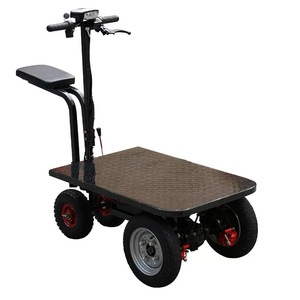
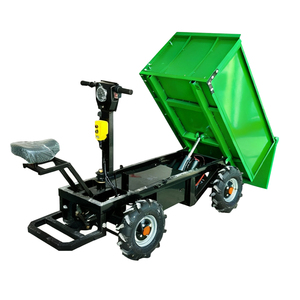
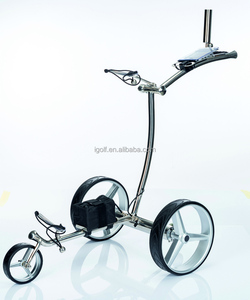
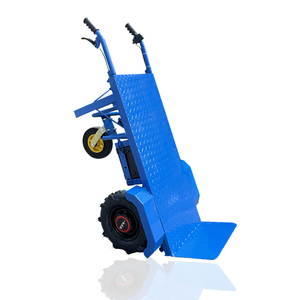
Modern hospital networks throughout Greater Los Angeles—including sprawling complexes such as UCLA Health Westwood, Cedars-Sinai Medical Center, Keck Medicine of USC, and Kaiser Permanente Los Angeles—face unprecedented logistics and patient movement challenges. Operating across vast geographic footprints, multi-story acute care towers, subterranean loading hubs, and dense urban access corridors, these institutions require specialized shuttle systems and material handling platforms engineered specifically for healthcare duty cycles.
As a certified low-speed electric vehicle (LSV) manufacturer and specialized heavy-duty trolley supplier, we engineer zero-tailpipe-emission passenger shuttles, electric flatbed transport carts, motorized stair-climbing hand trucks, and high-capacity electric pallet jacks designed to meet strict California regulatory metrics while enhancing operational throughput.
Procurement departments across Los Angeles County health systems must navigate stringent local environmental standards. The California Air Resources Board (CARB) Advanced Clean Fleets (ACF) regulation, paired with the South Coast Air Quality Management District (SCAQMD) Rule 2202, mandates a aggressive reduction in internal combustion facility vehicles. Replacing legacy gas-powered utility vehicles with high-performance electric low-speed shuttle carts and indoor-rated motorized platform trucks is no longer optional—it is a compliance imperative.
Every street-legal hospital passenger shuttle features manufacturer-assigned 17-digit VINs, DOT-certified windshields, seatbelts, automotive lighting, and hydraulic braking assemblies for safe public street navigation.
Enclosed battery compartments, non-marking polyurethane tires, and powder-coated stainless structures allow daily chemical washdowns adhering to strict hospital disinfection standards.
Integrated Lithium Iron Phosphate (LiFePO4) battery packs provide thermal stability under harsh Southern California heat, fast-charge capabilities, and up to 14 hours of continuous operational runtime.
Selecting the optimal equipment for hospital applications depends on payload capacity, spatial limitations, and whether operational routes cross public right-of-ways. Below is an engineering comparison matrix for healthcare procurement teams:
| Equipment Category | Primary Application | Payload / Seating Capacity | Street-Legal Status (CVC §385.5) | Battery Drivetrain |
|---|---|---|---|---|
| Low-Speed Shuttle EV (Omega 6) | Patient, Visitor & Staff Transit | 4 to 6 Passengers + ADA Kit | Yes (17-Digit VIN / DOT Package) | 48V/72V Lithium Iron Phosphate |
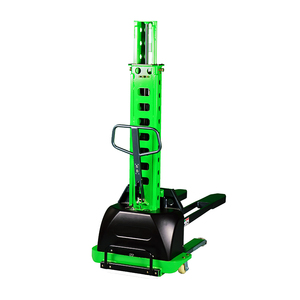
| 1.5T Electric Pallet Jack | Central Receiving & Dock Delivery | 1,500 kg (3,300 lbs) | Indoor / Off-Street Facilities | Heavy-Duty Sealed AGM or LiFePO4 |
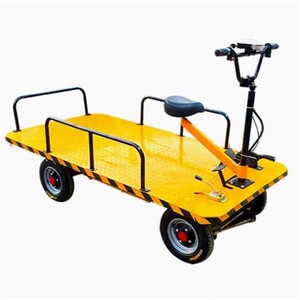
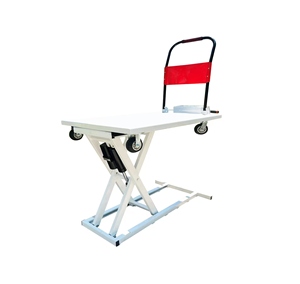
| Hydraulic Flatbed Lift Cart | Sterile Linen & Surgical Trays | 500 kg to 800 kg Lift Load | Indoor / Covered Walkways | 24V Maintenance-Free Traction |
| Stair Climbing Electric Trolley | Multi-Level Outpatient Clinics | 500 kg Step Climbing Capacity | Indoor Vertical Navigation | High-Torque Synchronous DC |
Healthcare facilities across Southern California present diverse operational terrains—from steep inclines in Pasadena and Westwood to high-traffic dock ramps in Downtown LA.
Terrain Challenge: High elevation gradients and lengthy outdoor ped-bridges between medical plazas.
Equipment Fit: High-torque 72V 6-passenger electric low-speed shuttles fitted with automatic regenerative downhill braking and electromagnetic park locks.
Operational Challenge: High-density urban traffic requiring public road street-legal operation across Wilshire Boulevard.
Equipment Fit: FMVSS-compliant street-legal LSVs carrying 17-digit VINs, shatterproof safety glass, and 25 mph speed governors for legally crossing public thoroughfares.
Logistics Challenge: Restricted vertical clearance in basements and strict zero-tailpipe-emission indoor air quality standards.
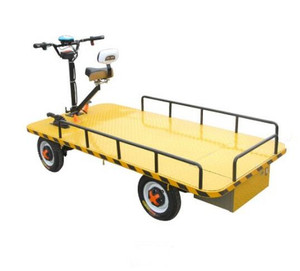
Equipment Fit: Heavy-duty ride-on electric platform trolleys and 1.5-ton electric pallet jacks running on non-gassing lithium batteries with zero exhaust emissions.
Climate Challenge: Extreme summer heat conditions exceeding 100°F (38°C).
Equipment Fit: Thermal-managed lithium battery systems, UV-resistant solar canopy roofs, and heavy-duty auxiliary cooling fans for reliable all-day operations.
As Los Angeles prepares for major global events and executes regional decarbonization goals leading up to 2028, healthcare institutions are revamping their fleet architectures. Key trends defining the industry include:
1. Decarbonization & Noise Abatement in Patient Quiet Zones: Traditional internal combustion utility carts are being replaced with whisper-quiet electric alternatives. Reduced ambient noise improves patient recovery conditions, particularly in night-shift pharmacy delivery and morning linen rotation.
2. Integration of Micro-Logistics & Automated Material Handling: Hospitals are streamlining supply chains from central distribution centers directly to acute care floors. Electric hydraulic lifting carts and heavy-duty motorized flatbeds minimize ergonomic injuries among healthcare staff while accelerating material turnaround.
3. ADA Accessibility Mandates: Patient shuttles serving outpatient parking structures in Los Angeles must comply with Americans with Disabilities Act (ADA) guidelines. Custom configurations featuring low-floor rear ramps, wheelchair locking restraints, and broad step-in heights ensure inclusive transport for all patients.
4. Fleet Telematics & Centralized Charging Infrastructure: Modern healthcare electric fleets utilize smart telematics for real-time location tracking, battery state-of-health monitoring, and automated maintenance scheduling. Standardized 110V/220V onboard charging units allow opportunistic charging at standard hospital dock outlets.
Essential guidance for healthcare facility directors, materials managers, and safety compliance officers in Southern California.
Choosing an equipment partner for critical healthcare operations requires full transparency, reliable engineering, and long-term service capability. As a direct vehicle manufacturer, we stand behind every platform delivered to the Los Angeles market:
Full production traceability from frame welding to final testing, ensuring authentic OEM manufacturing rather than re-badged white-label assembly.
Reinforced steel framing treated with electro-phoretic dip coating prevents corrosion caused by coastal humidity and frequent sanitization washing.
From custom build specifications and DMV paperwork registration to on-site operator safety training, our regional network handles the full vehicle lifecycle.
Connect with our Los Angeles regional healthcare logistics specialists to discuss fleet specifications, custom OEM options, CARB grant eligibility, or arrange a equipment demonstration for your facility.
Send an Inquiry