Engineered to meet rigorous Federal Motor Vehicle Safety Standards (FMVSS 500) and adaptable to Japan’s Road Transport Vehicle Act (道路運送車両法) standards for private estates, resorts, industrial logistics, and micro-mobility operations.
As Japan accelerates its national Green Transformation (GX) agenda and strives for carbon neutrality across municipal infrastructure, resort regions, and commercial supply chains, the demand for high-reliability, zero-emission Low-Speed Vehicles (LSVs) and specialized electric utility vehicles has expanded exponentially. However, international B2B importers, master distributors, and corporate fleet buyers face complex regulatory hurdles when sourcing micro-mobility hardware. Bridging North American FMVSS 500 safety standards with Japan’s Ministry of Land, Infrastructure, Transport and Tourism (MLIT / 国土交通省) Road Transport Vehicle Law (道路運送車両法) requires precise OEM manufacturing credentials and strict engineering compliance.
A Low-Speed Vehicle (LSV) is not merely a golf cart with upgraded batteries. Under 49 CFR 571.500 (FMVSS Standard No. 500), an LSV is defined as a 4-wheeled motor vehicle whose speed attainable in 1 mile is more than 20 mph (32 km/h) and not more than 25 mph (40 km/h) on a paved level surface. To achieve street-legal authorization and pass Japanese import registration for public road access or designated zero-emission zones, vehicles must possess structural integrity, safety systems, and traceable manufacturing certification.
In Japan, commercial vehicles operating in private resorts (such as Niseko, Karuizawa, and Okinawa), university campuses, smart industrial parks, and micro-logistics hubs must meet uncompromised safety thresholds to minimize corporate liability. Importing non-certified electric carts leads to immediate rejection by customs officials and severe insurance underwriting challenges. By partnering with an established OEM manufacturer like Warthog EV—operating with dedicated WMI registration and standardized chassis architectures—Japanese importers gain an immediate compliance advantage.
FMVSS compliance provides Japanese buyers with a proven baseline of structural safety. When combined with customized localized adaptations—such as 100V AC Japanese domestic wall socket charging compatibility (J1772 standard), anti-corrosion chassis coatings for coastal humidity, and compact turning radii for narrow Japanese access roads—our factory line represents the pinnacle of international low-speed electric mobility.
Every chassis features a stamped 17-digit VIN under official World Manufacturer Identifier registration, essential for Japanese customs clearance, insurance registration, and fleet tracking.
Equipped with automotive-grade Lithium Iron Phosphate battery modules with integrated Smart BMS, optimized for fast-charging and 3,500+ deep charge cycles in varying Japanese climates.
Shared heavy-duty frame design across 2-seater, 4-seater, 6-seater, and specialized flatbed cargo variants, dramatically reducing maintenance downtime and spare parts inventory.
The operational landscape in Japan requires highly versatile, low-footprint, quiet electric vehicles. The unique geography, architectural layout, and demographic shifts in Japan create specialized demand profiles where FMVSS-compliant low-speed vehicles excel over traditional internal combustion engine (ICE) utility carts or standard Kei-trucks (軽トラ).
Japan’s premier resort destinations in Hokkaido (Niseko, Rusutsu), Nagano (Karuizawa), and Okinawa demand silent, zero-tailpipe-emission passenger transit. The Warthog Omega 4 and Omega 6 passenger shuttle platforms move guests seamlessly between main lodges, private villas, and ski/golf facilities without disturbing the tranquil environment. Outfitted with plush weather-resistant interiors and optional heated seating modules, these vehicles operate reliably across cold mountain winters or humid sub-tropical summers.
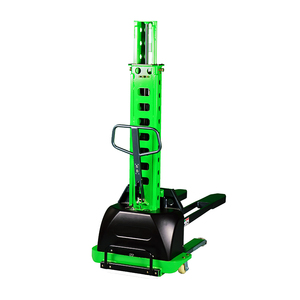
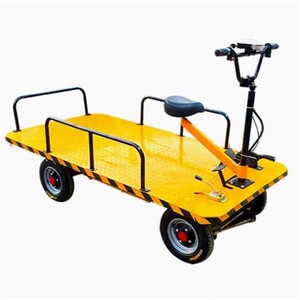
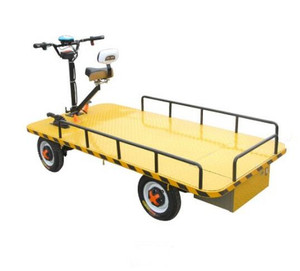
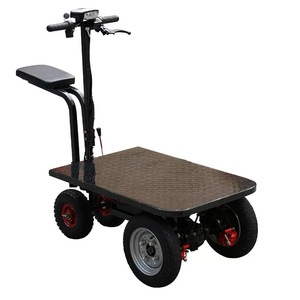
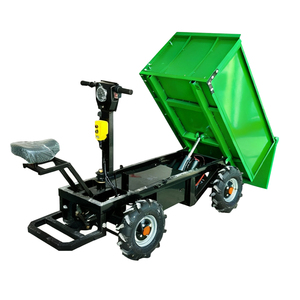
Following Japan’s strict labor law revisions restricting truck driver overtime hours (widely known as the "2024 Problem" in Japanese logistics), major transport firms are shifting to decentralized micro-hubs. Electric flatbed platform trolleys, motorized cargo dumper carts, and 1.5-Ton electric pallet jacks provide essential low-cost, quiet transportation within dense residential neighborhoods, historic districts like Kyoto or Kamakura, and pedestrian-only shopping arcades (商店街).
Japan’s leading automotive, electronic, and pharmaceutical factories (such as those in Aichi, Kanagawa, and Osaka) require strict cleanroom-adjacent material transport. Electric platform carts with anti-skid polyurethane wheels and self-unloading dumpers handle heavy mold transfers, assembly line feeding, and waste management without indoor exhaust accumulation.
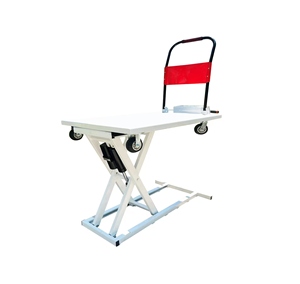
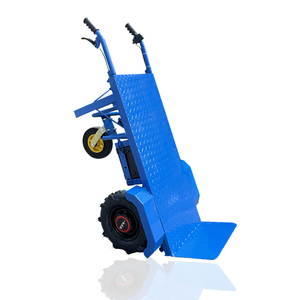
Japan’s agricultural sector faces an aging workforce that benefits greatly from ergonomic electric assistance. Hydraulic scissor-lift greenhouse carts and stair-climbing 500kg motorized hand trucks enable single operators to harvest, prune, and transport produce across stepped terrain and narrow greenhouse rows with minimal physical strain.
Comparative OEM engineering metrics for Japan B2B procurement evaluation.
| Platform Specification | Passenger Series (2/4/6 Seat) | Flatbed Cargo / Dumper | Mini Pallet & Hydraulic Lift |
|---|---|---|---|
| FMVSS 500 Compliance | Full Standard (DOT Lighting/Seatbelts/AS1 Glass) | Industrial LSV Equipment Compliant | Workplace Ergonomic & Machinery Safety Standard |
| Max Top Speed | 25 MPH (40 km/h) Adjustable | 15–20 MPH (24–32 km/h) | 3.5–6 MPH (5–10 km/h) Stepless Control |
| Maximum Payload Capacity | 400 kg – 650 kg | 500 kg – 1,000 kg | 500 kg – 1,500 kg (Pallet Jack) |
| Chassis Treatment | Cathodic E-Coated Steel Frame | Reinforced Structural Steel Platform | Heavy-Duty Molded Steel Frame |
| Motor Architecture | 5kW / 7.5kW AC Brushless Motor | 3kW – 5kW AC High-Torque Motor | 1.2kW – 2.2kW DC/AC Hydraulic Pump & Drive |
| Japan Grid Charging | 100V / 200V AC Onboard Charger (J1772) | 100V AC Standard Domestic Plug Compatible | 100V AC Integrated Industrial Charger |
Sourcing directly from a dedicated low-speed vehicle factory gives Japanese distributors, corporate buyers, and original equipment brand owners a decisive total cost of ownership (TCO) advantage. Unlike trading intermediaries, our manufacturing facilities integrate end-to-end design, robotic welding, automated painting, and hardware validation under ISO 9001 and IATF 16949 quality control protocols.
Answers to common technical, legal, and operational questions from Japanese commercial buyers and fleet importers.
Connect directly with our engineering and export team to receive detailed engineering drawings, VIN certification guidelines, container loading quotes, and localized pricing for the Japanese market.
Get Catalog