Discover specialized low-speed commercial vehicles, specialized enclosed cabins, and high-payload utility tractors manufactured with high-tensile steel, cathodic e-coating, and advanced thermal management.
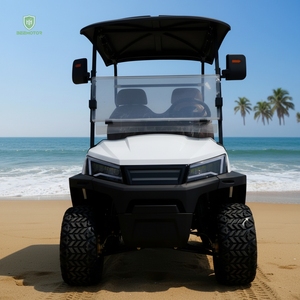
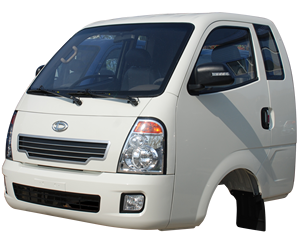
The Republic of Poland is currently undergoing an unprecedented structural transformation within its commercial transportation, logistics, and municipal utility sectors. Driven by the strict mandates of the European Green Deal, the Polish National Plan for Energy and Climate (KPEP), and the implementation of Clean Transport Zones (Strefy Czystego Transportu - SCT) across major metropolitan areas such as Warsaw, Kraków, Wrocław, and Gdańsk, fleet operators are forced to rapidly transition from internal combustion engine (ICE) utility fleets to zero-emission platforms.
For business procurement directors and municipal fleet managers, sourcing commercial electric cabs directly from verified Chinese original equipment manufacturers (OEMs) presents a compelling strategic advantage. China’s advanced EV industrial ecosystem offers unprecedented economies of scale, cutting-edge battery management systems (BMS), and highly automated modular stamping processes. However, navigating the cross-border procurement landscape requires a granular understanding of EU Type Approval frameworks (EEC L6e, L7e quadricycles, and N1 light commercial vehicles), structural thermal resilience under Central European sub-zero winter conditions, and total cost of ownership (TCO) optimization.
This technical whitepaper provides an exhaustive technical benchmark for Polish enterprise buyers seeking high-reliability, factory-direct electric cabs and specialized enclosures manufactured in China.
To legally register and operate low-speed electric cabs, utility trucks, and passenger buggies on public roads within the European Union, vehicles must strictly conform to Regulation (EU) No 168/2013 (for L-category vehicles) or Regulation (EU) 2018/858 (for motor vehicles and trailers). Chinese manufacturers targeting the Polish market must supply complete compliance documentation to prevent customs impoundment at the Baltic port of Gdańsk or land logistics terminals like Małaszewicze.
| Vehicle Class | Speed & Power Limits | Mandatory Safety Equipment | Polish Legal Alignment |
|---|---|---|---|
| L6e-BU (Light Utility Quadricycle) | Max 45 km/h | Power ≤ 6 kW | Unladen mass ≤ 425 kg | DOT/E-Mark LED lighting, 3-point seatbelts, safety glass windshield, side mirrors | Permitted in suburban SCT zones and pedestrian-restricted city centers. |
| L7e-CU (Heavy Commercial Quadricycle) | Max 90 km/h | Power ≤ 15 kW | Payload capability up to 1,000 kg | Hydraulic dual-circuit disc brakes, roll-over protection structure (ROPS), parking brake | Ideal for last-mile urban parcel delivery and municipal waste gathering. |
| N1 (Zero-Emission Light Truck) | Speed > 90 km/h | Gross vehicle weight ≤ 3.5 tonnes | ABS, Driver Airbag, WVTA (Whole Vehicle Type Approval), ESC stability control | Full highway and arterial road compliance across all Polish Voivodeships. |
Every vehicle engineered for export by tier-1 Chinese factories carries a factory-certified 17-digit Vehicle Identification Number (VIN) registered under an internationally recognized World Manufacturer Identifier (WMI). This guarantees complete traceability from raw chassis stamping to final registration at Polish Wydział Komunikacji (Department of Motor Vehicles).
A critical engineering challenge for electric vehicles operating in Poland is the severe ambient temperature drop during winter months (frequently falling to -15°C to -25°C). Cold temperatures severely impact Lithium Iron Phosphate (LiFePO4) and Nickel Manganese Cobalt (NMC) chemistry performance, causing up to 40% range degradation if not properly mitigated through specialized hardware.
Leading Chinese electric cab manufacturers serving Poland integrate proprietary winterization packages engineered specifically for cold-climate durability:
Automated Positive Temperature Coefficient (PTC) heating elements warm the battery pack during charging cycles, maintaining optimal core cell temperatures (20°C to 25°C) before dispatch to preserve full discharge efficiency and dynamic range.
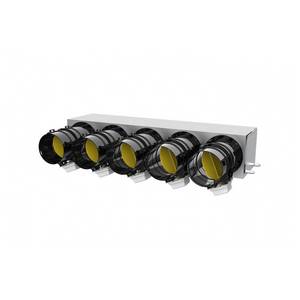
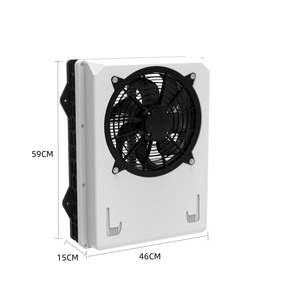
Integrated high-efficiency HVAC systems (such as the Proair Pack Cab with 5L insulated aluminum plenums and motorized shutters) deliver rapid cabin defrosting and driver comfort without draining critical traction drive current.
Double-sealed rubber weatherstripping, injection-molded polyurethane inner door panels, and laminated safety windscreen glass prevent heat loss and eliminate draft intrusion during extended shifts.
To resist aggressive road salt (calcium/sodium chloride) sprayed on Polish highways during winter maintenance, chassis frames undergo full immersion automotive electro-deposition (KTL) priming.
Electric cabs and specialized low-speed commercial vehicles sourced from Chinese factories are engineered for modular adaptability across multiple strategic Polish industrial sectors:
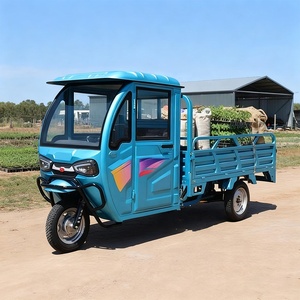
Tight historic city centers enforce strict weight and zero-emission limits. Compact enclosed cargo cabs with tight turning radii navigate pedestrian zones effortlessly, delivering express parcels directly to courier micro-hubs.
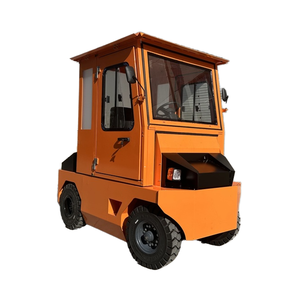
In the industrial heartland of Silesia, 10-ton electric tow tractors (such as the WELIFTRICH series) transport heavy automotive parts, steel coils, and assembly sub-components continuously between indoor factories and outdoor yards.
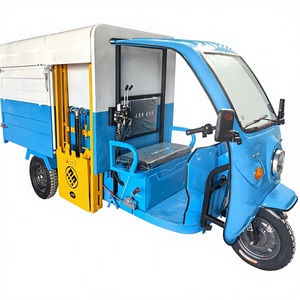
Custom 3000W electric sanitation tricycles and hydraulic dump hoppers handle municipal street cleaning, park maintenance, and residential bin collection with zero noise pollution during early morning shifts.
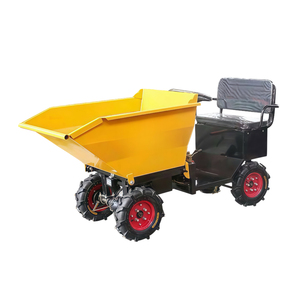
Low-ground-pressure utility buggies with high payload steel hoppers transport harvested crops, fertilizer, and tools across muddy farmland and commercial greenhouse complexes without disturbing delicate soil structures.
Selecting the right Chinese manufacturer involves rigorous evaluation of production infrastructure, quality management systems, and technical customizing capabilities. Premier manufacturing plants operate under strict IATF 16949 (Automotive Quality Management System) and ISO 9001 certifications.
High-precision 6-axis robotic arm welding ensures uniform structural seam strength across tubular steel chasses and sheet metal cab frames.
100% of finished cabs undergo high-pressure deluge water testing (IP65/IP67 rating validation) to guarantee zero cabin water leakage under storm conditions.
Every vehicle is bench-tested for peak motor efficiency, regenerative braking calibration, gradient climb torque (up to 30%), and brake stopping distance.
Connect directly with our senior EV engineering team to discuss wholesale pricing, EU homologation documentation, and customized factory production schedules for Poland.
Send an Inquiry