Ruggedized motorized equipment engineered to excel in high-ambient temperature, heavy-duty commercial environments across Nigeria.
The industrial and commercial material handling landscape across Nigeria is undergoing a massive transformation. Following recent national macroeconomic reforms—most notably the full removal of PMS (petrol) subsidies and ongoing foreign exchange adjustments—operational costs for internal combustion engine (ICE) vehicles have escalated drastically. Logistics operators, manufacturing plants in industrial corridors such as Ikeja, Agbara, and Sagamu, as well as high-density wholesale trade hubs, are actively seeking heavy-duty, zero-emission electric material handling solutions to safeguard their profit margins.
Furthermore, urbanization trends in major metropolitan hubs like Lagos, Kano, Onitsha, Port Harcourt, and Ibadan have created acute challenges for inner-facility logistics, market distribution, and micro-freight movement. Conventional fuel-powered haulage vehicles face severe constraints including heavy exhaust accumulation in semi-enclosed warehouses, extreme fuel price volatility, and frequent maintenance downtime caused by poor fuel quality. Electric cargo carts, motorized platform trolleys, and battery-operated pallet jacks represent the ideal technical substitute—offering immediate reductions of over 70% in per-ton-kilometer transport costs.
With petrol prices rising significantly, switching from ICE-based mini-haulers to electric platform trolleys allows Nigerian enterprises to achieve payback on capital investment within 6 to 9 months purely through fuel savings.
Modern electric cargo carts exported to Nigeria feature wide-voltage smart chargers compatible with 180V-260V local grids, diesel generator backups, and direct DC solar micro-grid charging setups common in commercial facilities.
Crucial for enclosed agricultural cold chains, pharmaceutical logistics, and bustling indoor markets where diesel or petrol fumes pose severe health and environmental hazards.
From coastal maritime ports to northern agricultural trade centers, our electric cargo vehicles are purpose-built for diverse West African operating environments.
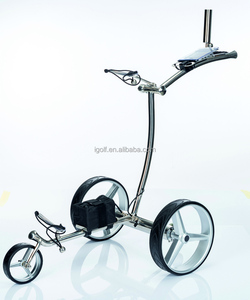
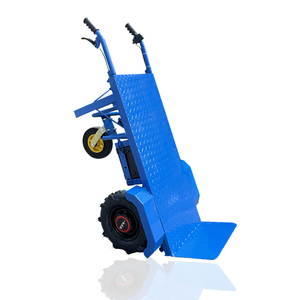
In high-density commercial markets such as Alaba International Market, Balogun Market (Lagos Island), Main Market Onitsha, and Kurmi Market Kano, narrow aisles and dense foot traffic make standard trucks impossible to operate. Our compact 3-wheel electric hand carts and stair-climbing shopping trolleys allow traders to transfer heavy textile bales, electronics, and hardware efficiently through congested alleyways without noise or emissions.
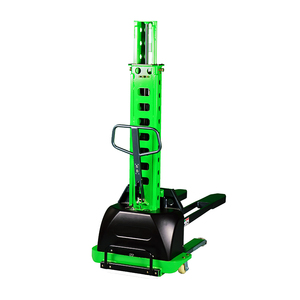
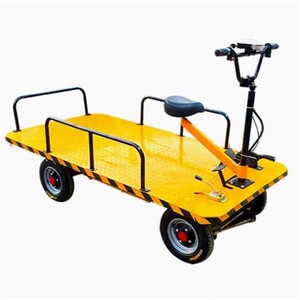
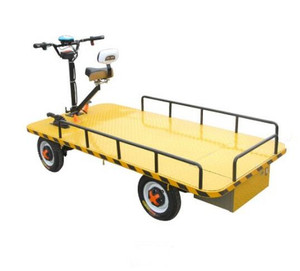
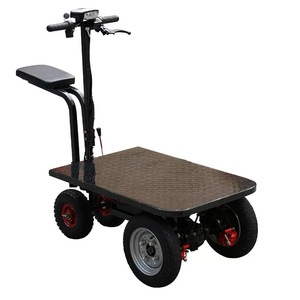
Across the industrial manufacturing corridors of Ikeja, Ogun State (Agbara, Mowe-Ibafo), and Port Harcourt Industrial Estates, seamless internal factory logistics are vital. Our 1.5-ton electric pallet jacks and ride-on heavy-duty flatbed cargo carts operate continuous shift cycles, transferring raw materials, fast-moving consumer goods (FMCG), and packaging stock across plant floors with zero downtime.
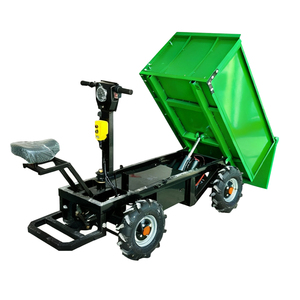
Agribusiness enterprises in Kaduna, Benue, Oyo, and Edo states require durable field-to-processing transport. Electric mini dumpers equipped with self-unloading hydraulic buckets haul harvested crops, cocoa beans, oil palm fruit, and fertilizer over uneven dirt tracks and farm paths, significantly cutting down manual labor dependencies.
In facilities such as Apapa Port, Tin Can Island, Lekki Deep Sea Port, and Airport Cargo Terminals, heavy-duty 4-wheel motorized flatbed carts transport maritime spare parts, luggage containers, and break-bulk cargo between customs staging areas and warehousing bays safely and predictably.
Standard material handling equipment designed for temperate climates frequently fails in West Africa due to extreme heat exposure, airborne dust accumulation, unpaved terrain impacts, and unconditioned electrical power. As an authoritative OEM exporter, our engineering team implements specific tropicalization standards across all export-grade cargo carts:
Constructed using cold-rolled seamless tubular steel with robotically welded gussets. All frames undergo electro-phoretic dipping (ED coating) and heavy powder baking to resist coastal salt-air corrosion in maritime regions like Lagos and Port Harcourt.
Equipped with oversized aluminum heat-sink enclosures and MOSFET intelligent speed controllers rated for ambient operating temperatures up to 55°C, preventing thermal shutdown during prolonged afternoon shifts in Northern Nigeria.
Drive motors, wiring harnesses, and battery compartments are fully dust-sealed and splash-proof to survive heavy seasonal rainy periods (Harmattan dust and monsoon deluges alike).
We supply both heavy-duty Deep-Cycle AGM batteries for cost-sensitive buyers and ultra-durable Lithium Iron Phosphate (LiFePO4) packs rated for 3,500+ thermal cycles with integrated Smart BMS protection.
Clear insights regarding shipping logistics, customs documentation, payment terms, and technical support.
A: Cargo carts and electric material handling equipment fall under specific HS Code classifications (e.g., HS 8709.11.00 for electrically propelled works trucks). As an experienced exporter, we provide complete, compliant documentation required by the Nigerian Customs Service (NCS), including certified Commercial Invoices, Packing Lists, Clean Certificates of Inspection (CCVO), and Bills of Lading to ensure seamless processing through Form M and PAAR (Pre-Arrival Assessment Report) systems via authorized commercial banks in Nigeria.
A: Our export vehicles are equipped with smart wide-voltage chargers (operating stably between 180V and 260V AC, 50Hz). These chargers incorporate built-in surge protection, over-voltage shutoffs, and soft-start technology, allowing safe charging via public utility lines, local diesel generators (such as Mikano/Perkins units), or solar-powered inverter arrays.
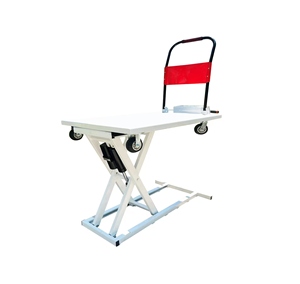
A: Yes, as a direct OEM manufacturer, we offer full custom structural engineering. We can modify deck length/width, install removable side cages, integrate hydraulic lifting tables, adjust ground clearance, and upgrade tire profiles (solid rubber vs pneumatic off-road tires) depending on your operational site needs.
A: We maintain a structured spare parts support protocol for corporate and distributor buyers. Essential wearable components—such as polyurethane tires, brake pads, thumb throttles, fuses, and controller relays—are packed directly inside vehicle shipping containers upon export. Additionally, we provide comprehensive digital service manuals, schematics, and video support for local maintenance technicians.
A: We accommodate Full Container Load (FCL - 20ft/40ft HQ) for bulk distributor orders as well as Less than Container Load (LCL) consolidation in sea-worthy reinforced wooden crates. Standard ocean transit times from our export port to Apapa or Tin Can Island range between 30 to 40 days.
Operating as a registered vehicle manufacturer with specialized World Manufacturer Identifier (WMI) credentials and strict ISO 9001:2015 quality controls, our enterprise stands apart from trading intermediaries. Every cargo cart, flatbed trolley, and electric dumper leaving our assembly line represents years of mechanical precision, rigorously tested chassis geometry, and verified component sourcing.
Every commercial utility vehicle build is assigned unique frame identification and production logging for global fleet compliance, quality audits, and insurance registration.
Before shipment, units undergo 100% full-load climbing tests, braking distance verification on incline ramps, water-immersion electrical isolation checks, and continuous battery endurance stress cycles.
With thousands of electric utility vehicles exported globally across Africa, the Middle East, and the Americas, our export department guarantees flawless shipping execution, protective anti-corrosion packaging, and transparent customs paperwork.
Whether you are a commercial fleet operator, factory procurement manager, or equipment importer in Lagos, Kano, or Port Harcourt, contact our engineering sales team for wholesale pricing, custom OEM quotes, and container shipping schedules.
Contact Us