Engineered for high gradient performance, heavy payload resilience, and tropical microclimate protection. Exported with full OEM compliance documentation.
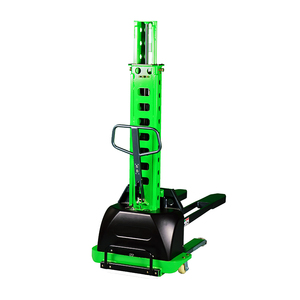
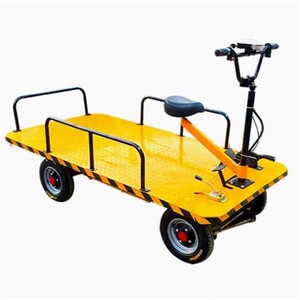
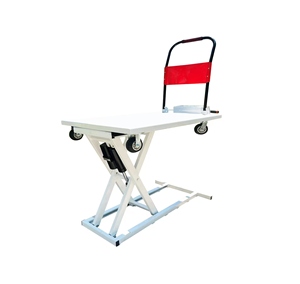
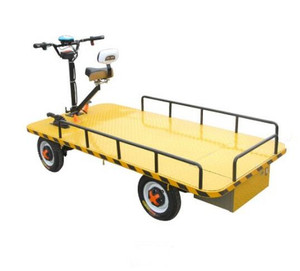
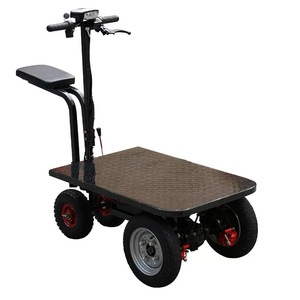
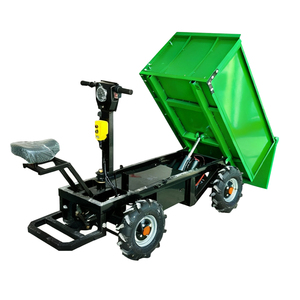
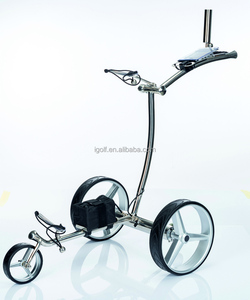
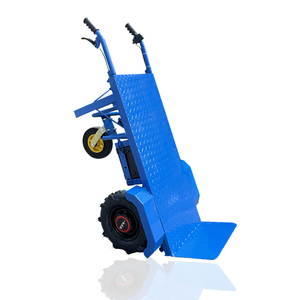
As Costa Rica advances its ambitious Plan Nacional de Descarbonización 2018-2050, institutional campuses, eco-resorts, educational centers, and free-trade industrial zones (Zona Francas) are actively eliminating internal combustion engines (ICE) from internal logistics networks. Low-Speed Electric Vehicles (LSVs), neighborhood electric vehicles (NEVs), and specialized heavy-duty platform trolleys have transitioned from luxury amenities to mission-critical infrastructure required to fulfill national sustainability mandates.
Navigating the procurement, importation, and operational deployment of electric low-speed fleet transport in Costa Rica presents unique engineering challenges. Institutional buyers must evaluate platforms not merely on initial acquisition cost, but on structural resistance to high humidity (often exceeding 90% RH in coastal regions like Guanacaste and Puntarenas), steep gradient climbability within mountainous Central Valley topography (San José, Heredia, and Cartago), and strict compliance with local regulatory frameworks established by the Ministerio de Obras Públicas y Transportes (MOPT) and COSEVI.
"To achieve operational reliability in Costa Rica’s tropical microclimates, imported LSVs must feature robust IP67-rated electronic enclosures, advanced Lithium Iron Phosphate (LiFePO4) chemistry with active thermal protection, and anti-corrosive powder-coated aluminum or hot-dip galvanized steel chassis."
This technical whitepaper provides an exhaustive procurement benchmark for Costa Rican university logistics managers, resort facilities operations directors, agricultural greenhouse engineers, and commercial fleet importers seeking high-efficiency, zero-emission low-speed electric transport solutions.
Standard off-the-shelf golf carts and light utility carts engineered for temperate climates frequently experience premature component failure when deployed in Central America. Tropical degradation mechanisms include stator insulation breakdown due to persistent humidity, rapid frame oxidation caused by coastal salt mist, and thermal throttling of lead-acid battery packs under continuous high-ambient heat.
48V to 72V Brushless AC Induction motors coupled with high-ratio helical gear transaxles delivering continuous torque for sustained 25%+ incline navigation across volcanic terrain.
Enclosed Curtis and Sevcon controllers with potted wiring harnesses preventing water ingress, mud damage, and short-circuiting during torrential green-season tropical downpours.
Lithium Iron Phosphate battery cells equipped with intelligent Battery Management Systems (BMS) featuring over-temperature protection, cell balancing, and deep cycle endurance (3,500+ cycles).
When specifying campus utility carts, platform trolleys, and motorized dumpers for Costa Rican facilities, static and dynamic weight balance is crucial. Heavy payload platform trolleys carrying up to 1.5 tons must maintain structural integrity under dynamic torsional stress. Frame construction utilizes hot-rolled seamless rectangular tubing subjected to electrophoretic dipping (E-coating) to eliminate internal tube rusting.
Low-speed electric vehicles play distinct roles depending on the operating environment in Costa Rica. Below are four primary deployment matrices where specialized LSV technology drives operational efficiency and sustainability compliance:
Locations: San José, Heredia, Alajuela (e.g., UCR, UNA, hospital compounds).
Primary Function: Silent, zero-tailpipe emission transport for campus security, facility maintenance, and student mobility along pedestrian walkways without noise pollution.
Locations: Papagayo Peninsula, Manuel Antonio, Monteverde, Tamarindo.
Primary Function: Guest shuttle service, luggage transport via flatbed utility carts, and housekeeping logistics across sensitive eco-systems without diesel odor or disruptive engine noise.
Locations: Coyol Free Zone, El Coyol, Santa Ana, Cartago industrial corridors.
Primary Function: Heavy material handling, 1.5-ton pallet jack cargo transfer between cleanroom manufacturing facilities, and indoor/outdoor warehouse supply logistics.
Locations: Zarcero, San Carlos, Cartago agricultural zones.
Primary Function: Hydraulic lift hand trucks and motorized mini dumpers for harvesting, flower cultivation, and soil bed transport through tight greenhouse rows.
Review engineering parameters across our primary low-speed electric platform categories to match your institutional payload and operational requirements:
| Vehicle Category | Payload Capacity | Motor Rating | Max Incline Grade | Ingress Protection | Primary Costa Rica Application |
|---|---|---|---|---|---|
| 1.5T Electric Pallet Jack | 1,500 kg | 2.2 kW AC Drive | 10% Full Load | IP54 Controller / IP65 Motor | Zona Franca Indoor Warehouse & Cleanrooms |
| Heavy Duty Flatbed Cart | 1,000 kg - 2,000 kg | 3.0 kW - 5.0 kW AC | 20% Grade | IP67 Complete Drivetrain | Resort Maintenance & Campus Heavy Freight |
| Hydraulic Greenhouse Trolley | 500 kg - 800 kg | 1.5 kW DC/AC Lift | 15% Grade | IP65 Enclosure | Agricultural Greenhouses & Plant Nurseries |
| Electric Mini Dumper | 500 kg - 1,000 kg | 2.2 kW High Torque | 25% Grade | IP67 Motor & Battery | Resort Landscaping & Slope Construction |
| Electric Golf & Passenger LSV | 4 - 8 Passengers / 600kg | 4.0 kW - 7.5 kW AC | 25% Sustained | IP67 Powertrain | Campus Passenger Transit & Hotel Shuttles |
| Stair Climbing Cargo Trolley | 500 kg Max Lift | 1.2 kW Dual Drive | 35° Stairways | IP55 Modular Chassis | Multi-Story Institutional Building Deliveries |
Procuring low-speed electric fleets through authorized manufacturing exporters guarantees structural compliance, supply chain continuity, and valid vehicle identification. Unlike trading intermediaries, direct factory partners provide:
Every street-legal LSV and passenger shuttle is manufactured with a 17-digit Vehicle Identification Number linked to an officially registered World Manufacturer Identifier (WMI), simplifying titling with COSEVI and local insurance underwriting with INS or private carriers.
Costa Rica’s Ley 9518 (Incentivos y Promoción para el Transporte Eléctrico) offers tariff reductions and tax exemptions for qualified zero-emission electric vehicles. We supply standardized Certificate of Origin documents and factory technical specs required by Costa Rican customs agents (Agencias de Aduana).
Whether configuring specialized solar-panel canopy charging systems, custom high-volume luggage racks for hotel fleets, or reinforced stake-bed sides for agricultural harvesting, our engineering team executes tailor-made CAD builds prior to export production.
A conventional golf cart is limited to approximately 15 mph (24 km/h) and lacks basic safety lighting, making it restricted to private property or course paths. A federally compliant Low-Speed Vehicle (LSV) is engineered for top speeds between 20 and 25 mph (32–40 km/h), equipped with DOT-approved automotive safety glass, seat belts, LED headlights, turn signals, rear-view mirrors, dynamic braking, and a unique 17-digit VIN. This allows legal operation on public roads posted at 35 mph (55 km/h) or lower in Costa Rica, subject to MOPT/COSEVI guidelines.
High relative humidity paired with ambient warmth accelerates sulfation in traditional flooded lead-acid batteries and increases corrosion on terminal posts. We strongly recommend Lithium Iron Phosphate (LiFePO4) battery systems for Costa Rican deployments. LiFePO4 chemistry operates with zero off-gassing, features sealed maintenance-free enclosures, delivers up to 4 times the lifespan of lead-acid (3,500+ charge cycles at 80% DOD), and maintains thermal stability during rapid charging in tropical climates.
Yes. Our low-speed commercial vehicles and platform trolleys designated for mountainous regions are configured with high-torque 5kW to 7.5kW AC induction motors, high-amp AC controllers (Curtis/Sevcon), and customized transaxle gear ratios. Combined with dynamic regenerative braking—which feeds energy back into the battery bank during downhill descents while controlling vehicle momentum—our fleets comfortably climb continuous gradients exceeding 25% to 30%.
We provide a comprehensive documentation export package for Costa Rican customs brokers. This includes the Commercial Invoice detailing HS Codes (such as 8709.11 for electric industrial trucks or 8703.90 for passenger electric vehicles), a official Certificate of Origin, factory compliance certificates confirming zero-emission battery electric propulsion, test reports detailing motor kilowatt power, and VIN documentation tied to our World Manufacturer Identifier (WMI).
We export via ocean freight directly to Costa Rica’s primary container ports: Puerto Limón / Moín on the Caribbean coast or Puerto Caldera on the Pacific coast. Vehicles can be shipped in Full Container Loads (FCL 20ft/40ft HQ) with custom steel-crate packaging to prevent transit damage, or via Less than Container Load (LCL) for small orders. Typical sea freight transit times range from 18 to 28 days following factory production and customs export clearance.
We provide comprehensive spare parts support packages with every fleet export, including critical replacement components such as controller assemblies, solenoids, brake pads, tire/wheel assemblies, and lighting modules. Additionally, modular plug-and-play wiring harnesses and standardized CAN-bus diagnostics allow facility technicians in Costa Rica to perform routine maintenance or troubleshooting with direct factory remote support.
Connect directly with our engineering and export division to request detailed technical spec sheets, OEM customization options, container loading plans, and factory-direct pricing for Costa Rica.
Get Catalog