Engineered for high-duty operational cycles across Philippine university campuses, PEZA ecozones, resort complexes, and commercial industrial parks. All models feature heavy-duty corrosion-resistant framing, tropicalized IP67 electric powertrains, and high-torque efficiency.
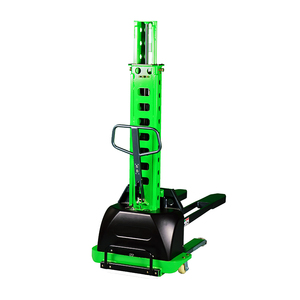
High-capacity intra-campus logistics cart designed for heavy load movement across educational storage facilities and maintenance depots.
Get a Quote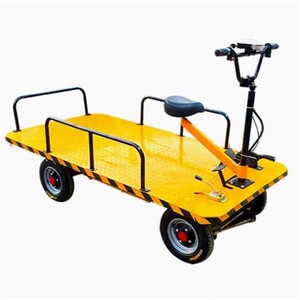
Multifunction 4-wheel utility platform equipped with reinforced steel chassis and high-torque motor for continuous campus cargo transfer.
Get a Quote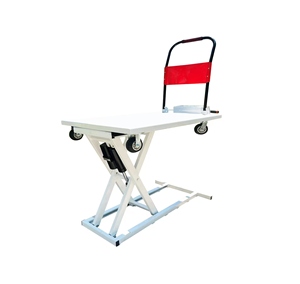
Integrated hydraulic elevation system for multi-tier agricultural research hubs, botanical campus labs, and industrial facility loading.
Get a Quote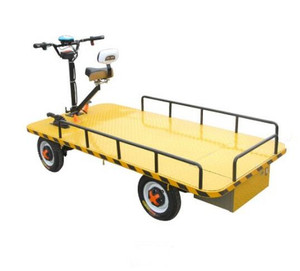
Ride-on operator platform configuration optimized for rapid material handling across expansive university grounds and PEZA zones.
Get a Quote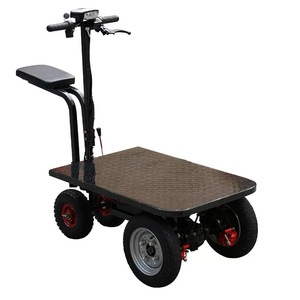
Space-saving foldable handlebar design. Ideal for tight campus corridors, indoor administrative halls, and versatile facility support.
Get a Quote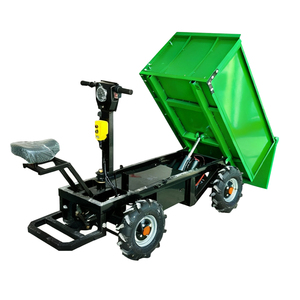
Heavy-duty self-unloading mini dumper engineered for campus landscape maintenance, civil works, and bulk waste management.
Get a Quote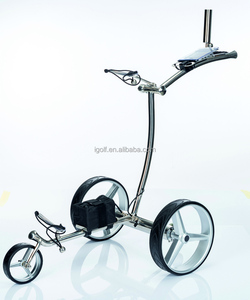
Silent, smooth, zero-tailpipe emission utility transport for campus executive tours, guest shuttles, and recreational facilities.
Get a Quote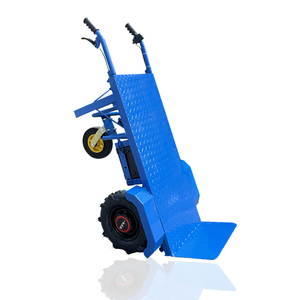
Innovative rotating triple-wheel stair-climbing module designed for multi-story academic buildings lacking cargo elevators.
Get a QuoteThe transition toward zero-emission intra-campus transportation across the Philippines has shifted from an environmental preference to a structural imperative. Institutional entities—including mega-universities such as the University of the Philippines (UP) Diliman, Ateneo de Manila, and De La Salle University, along with sprawling industrial hubs managed by the Philippine Economic Zone Authority (PEZA)—are rapidly overhauling their internal logistics infrastructure.
As campus boundaries expand into multi-hectare smart ecosystems, traditional internal combustion engine (ICE) utility vehicles present unacceptable total cost of ownership (TCO) metrics, high noise levels, and direct carbon emissions that contradict institutional sustainability goals. Low-Speed Electric Vehicles (LSVs) and specialized electric utility carts represent the optimal technical solution, delivering high-torque performance at low speeds (up to 25 MPH / 40 KM/H) with minimal maintenance overhead.
Our organization operates as a premier direct exporter of heavy-duty, campus-ready Low-Speed Electric Vehicles specifically engineered for tropical marine environments. With full manufacturing control, standard 17-digit Vehicle Identification Number (VIN) assignment tied to a registered World Manufacturer Identifier (WMI), and adherence to Federal Motor Vehicle Safety Standards (FMVSS / DOT), our electric vehicle platform bridges the gap between commercial-grade durability and localized compliance in the Philippines.
Custom LiFePO4 battery management systems (BMS) with integrated active cooling cells engineered specifically for high ambient temperatures (35°C–45°C) common in Metro Manila and Central Luzon.
Electro-phoretic deposition (ED) primary dipping combined with powder-coated high-yield structural steel tubing to withstand saline air in coastal provinces like Cebu, Davao, and Subic Bay.
Designed to comply with Philippines Republic Act No. 11697 (Electric Vehicle Industry Development Act - EVIAA) and LTO Administrative Order 2021-039 for seamless registration.
Procurement teams and facility directors in the Philippines must navigate specific legal mandates when acquiring commercial utility fleets. The enactment of the Electric Vehicle Industry Development Act (EVIAA / RA 11697) establishes mandatory EV share quotas for corporate, government, and institutional fleets across the country.
Under Executive Order No. 12, the Philippine national government reduced Most Favored Nation (MFN) tariff rates on completely built-up (CBU) low-speed electric vehicles, electric carts, and utility platforms to 0% import duty. This policy significantly reduces initial capital expenditure (CAPEX) for Philippine institutional buyers importing directly from foreign original equipment manufacturers (OEMs).
| Vehicle Metric / Feature | Standard Import Golf Cart | Warthog Campus LSV Platform | Philippine LTO Regulatory Requirement |
|---|---|---|---|
| Vehicle Traceability | Serial Number Only (Non-Registrable) | 17-Digit Manufacturer VIN (WMI Registered) | Mandatory for LTO Class L4/L5/L6 Registration |
| Maximum Design Speed | 15 MPH (24 KM/H) | 25 MPH (40 KM/H) Programmable | LSV Mandate: 20 to 25 MPH Cap |
| Lighting Package | Basic Incandescent / Optional LED | DOT-Compliant Full LED (Headlamps, Signals, Brake) | Required for Public Campus-Road Crossing |
| Ingress Protection | IP54 Standard Wiring | IP67 Sealed Powertrain & Harness | Essential for Philippine Monsoon Conditions |
| Battery Chemistry Options | Standard Flooded Lead-Acid | Deep-Cycle LiFePO4 / Sealed AGM (High Thermal Tolerance) | DOE Energy Efficiency Standard Compliant |
| Braking Architecture | Rear Mechanical Drum | Hydraulic 4-Wheel Disc + Regenerative Braking | Mandatory Emergency Braking Gradeability |
Primary Deployment: UP Diliman (Quezon City), Ateneo de Manila (Katipunan), UST (Manila), DLSU Laguna Campus.
Operational Role: Inter-faculty shuttles, student intra-logistics, waste management, and facility maintenance.
Key Requirements: Quiet operation during lecture hours, high passenger safety with lap belts, high gradient climbing capability for sloped campus terrains, and continuous battery run-time exceeding 80 kilometers per charge.
Primary Deployment: Clark Freeport Zone, Subic Bay Freeport Zone, Laguna Technopark, First Philippine Industrial Park (FPIP).
Operational Role: Heavy-duty cargo transport, component transfer between manufacturing bays, security patrol, and visitor transport.
Key Requirements: 1.5-ton load capacity platforms, zero toxic exhaust for cleanroom-adjacent operations, and rapid DC charging turnaround times.
Primary Deployment: Bonifacio Global City (BGC), Eastwood City, Filinvest City Alabang, Cebu IT Park.
Operational Role: Last-mile estate management, high-frequency maintenance support, and executive VIP transport.
Key Requirements: High aesthetic finishing, smooth ride quality on paved and cobblestone surfaces, and zero noise pollution in dense commercial corridors.
Exporting low-speed electric vehicles to tropical maritime markets like the Philippines requires specialized chassis and powertrain engineering. Standard electric carts designed for temperate western climates often suffer premature failure due to high humidity, intense solar radiation, saline coastal air, and flash flooding.
Ambient temperatures in the Philippines regularly exceed 38°C during peak summer months. Our exported LSVs utilize advanced Lithium Iron Phosphate (LiFePO4) battery packs fitted with an intelligent Thermal Management System (TMS). Unlike standard Ternary Lithium cells, LiFePO4 exhibits extreme thermal stability, resisting thermal runaway even under high-current continuous climbing loads on steep inclines.
Monsoon seasons in Luzon and Visayas cause severe standing water challenges. Our electric vehicle platforms feature a raised ground clearance architecture, completely sealed IP67 brushless AC/PMAC motors, and waterproof wiring harnesses with Deutsch connectors. Frame chassis undergo hot-dip galvanization and triple-coat marine paint finishing to eliminate rust formation.
Legacy golf carts utilize low-efficiency DC series motors that overheat under heavy payload pressure. Our campus LSVs incorporate 48V/72V high-efficiency AC induction and permanent magnet synchronous motors (PMSM) managed by Curtis or Sevcon controllers. This configuration delivers up to 30% higher hill-climbing torque and regenerative braking that restores up to 15% energy during downhill deceleration.
As a dedicated vehicle manufacturer and experienced international exporter, we eliminate middleman markups and supply chains vulnerabilities. We offer Philippine institutional purchasers direct factory engineering support, OEM customization, and guaranteed spare parts availability.
17-Digit VIN Traceability: Every vehicle leaving our assembly facility is assigned a unique, legally valid 17-digit VIN under our World Manufacturer Identifier (WMI). This enables smooth customs processing in Manila/Cebu and ensures local LTO registration eligibility.
Custom Platform Engineering: From 500kg stair-climbing utility carts to 1.5-ton pallet jacks and multi-passenger campus shuttles, our engineering team modifies bed dimensions, voltage configurations, and body colors to match your brand guidelines.
Spare Parts & Warranty SLA: We supply structured spare parts kits (controllers, chargers, solenoids, wear items) alongside every fleet order, backed by a comprehensive factory warranty and dedicated online technical support.
Under Executive Order No. 12 (EO 12) enacted by the Philippine government to accelerate zero-emission transportation, duty rates for CBU (Completely Built-Up) electric vehicles, low-speed electric utility carts, and electric passenger platforms have been set to 0% MFN import duty. Importers only pay the standard 12% Value Added Tax (VAT) upon customs entry, significantly reducing acquisition costs.
Yes. Because our vehicles are manufactured as true Low-Speed Vehicles (LSVs) equipped with 17-digit manufacturer-assigned VINs under an authorized World Manufacturer Identifier (WMI), DOT-compliant safety glass, seatbelts, mirrors, and full lighting systems, they meet the documentation requirements specified under LTO Administrative Order 2021-039 for Category L4, L5, L6, or L7 low-speed electric vehicles.
Lithium Iron Phosphate (LiFePO4) is the safest and most heat-tolerant lithium battery chemistry available. Unlike standard lead-acid batteries that lose up to 50% of their operational lifespan when exposed to ambient heat exceeding 30°C, LiFePO4 batteries maintain stable thermal equilibrium, offer over 3,500 charge cycles, and require zero water refills or maintenance in tropical environments.
We maintain streamlined export shipping channels. Transit time from our central manufacturing hub to Manila South/North Harbor, Subic Bay Port, or Cebu International Port typically ranges between 10 to 14 days via direct sea freight. Custom OEM configurations usually require 15 to 20 days for manufacturing prior to dispatch.
Absolutely. As an original equipment manufacturer, we offer full custom color matching (RAL code selection), institutional branding application, custom seating upholstery, fitted canopy enclosures, and specialized utility beds tailored for campus waste handling, security patrols, or cargo transport.
We supply a "Critical Spares Package" with all fleet shipments, containing spare controllers, throttle sensors, relays, LED lights, and brake components. Warranty claims are handled rapidly via express air delivery of replacement parts, backed by direct video-conferencing support with our senior automotive engineers.
Connect directly with our export engineering team. Receive detailed technical datasheets, Philippine landed cost estimates, and OEM customization options tailored for your university, PEZA zone, or commercial facility.
