Engineered to strict FMVSS, ISO 9001, and DOT safety guidelines. Explore our top-tier electric platform carts, heavy-duty stair climbers, and street-legal low-speed passenger shuttles available for global wholesale export.
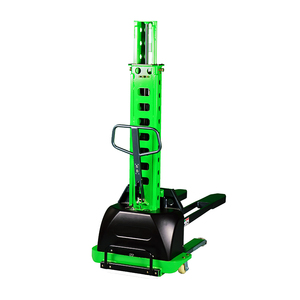
High-torque industrial material handler engineered with double hand trolley ergonomics, heavy-duty metal frame reinforcement, and ultra-durable polyurethane non-marking wheels.
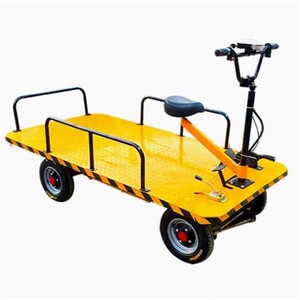
Multifunction quad-wheel motorized electric transport platform built for high-duty warehousing, factory floor logistics, and continuous intra-facility material handling.
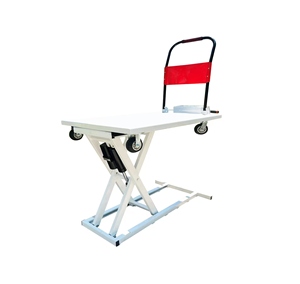
Scissor-action hydraulic lifting platform cart tailored for agricultural greenhouses, high-density storage racking, and ergonomic vertical load adjustment.
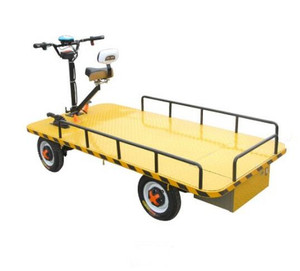
Commercial grade ride-on electric cargo utility vehicle featuring high battery autonomy, integrated operator step-platform, and responsive electronic brake systems.
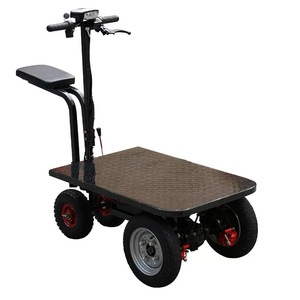
Space-saving portable electric hand trolley equipped with a rapid-fold handlebar system, perfect for last-mile delivery vehicles, retail stocking, and lightweight intra-logistics.
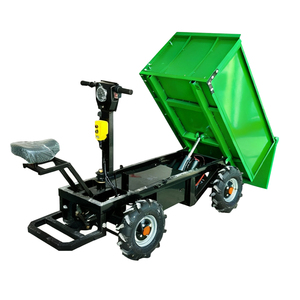
High-power motorized dumper designed for construction sites, landscaping, and bulk waste management, boasting an automated tipping bucket and off-road pneumatic tires.
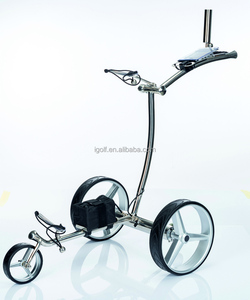
Ultra-quiet, zero-emission electric low-speed shuttle designed for championship golf courses, high-end hospitality resorts, and master-planned residential communities.
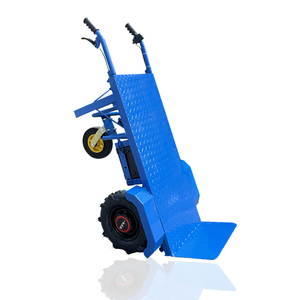
Revolutionary tri-wheel star system capable of climbing stairs under heavy 500kg loads. Engineered for multi-story urban logistics, commercial deliveries, and heavy cargo elevation.
As global supply chains shift toward electrification, carbon-neutral facility management, and last-mile efficiency, commercial buyers are re-evaluating their transport assets. Selecting a tier-one mobility vehicle exporter requires a granular evaluation of manufacturing standards, international homologation, structural telemetry, and lifetime cost of ownership (TCO). This publication establishes the baseline criteria for procurement officers, resort operators, industrial facility leads, and vehicle distributors looking to source heavy-duty electric flatbeds, stair-climbing hand trucks, and low-speed passenger vehicles (LSVs).
Core Procurement Insight: The convergence of federal safety standards (such as US FMVSS 500 and EU L7e regulations) with high-density lithium-iron-phosphate (LiFePO4) chemistry has fundamentally changed the low-speed vehicle market. Commercial fleets moving away from traditional lead-acid platforms achieve up to a 62% reduction in maintenance overhead over a 5-year operational cycle.
In the global vehicle export market, distinguishing between an authentic Original Equipment Manufacturer (OEM) and an unaccredited trading intermediary is vital. Premium manufacturing hubs—such as our state-of-the-art facilities backed by global engineering headquarters at Boise, Idaho—operate under strict regulatory compliance frameworks.
Every street-legal vehicle produced carries a unique, manufacturer-assigned 17-digit Vehicle Identification Number (VIN) linked directly to a registered World Manufacturer Identifier (WMI). This transparency ensures seamless customs clearance, straightforward state vehicle registration, and verified insurability across North America, Europe, and the Middle East.
Built on rigorous verification, safety standards adherence, and engineered duty cycles.
Direct manufacturer traceability preventing titling friction or customs rejections at global import terminals.
Factory-installed DOT safety glass, three-point seatbelts, illuminated signals, and dual side mirrors as standard equipment.
Unified chassis geometry across 2, 4, and 6-passenger configurations simplifies fleet maintenance and technician training.
Commercial buyers must look beyond immediate price points to evaluate long-term technological trajectory. Over the next decade, four key technological and market developments will determine the competitiveness of commercial mobility assets:
Traditional SLA (Sealed Lead Acid) batteries are rapidly being phased out due to low cycle life (300–500 cycles) and toxic disposal profiles. Modern export vehicles utilize modular LiFePO4 packs offering 3,500+ full discharge cycles, integrated Thermal Management Systems (TMS), and rapid 2-hour charging capabilities.
Export-grade mobility platforms now incorporate CAN-bus connectivity module options. Fleet supervisors can remotely track vehicle telemetry, monitor battery State-of-Charge (SoC), set geofenced speed limits, and receive predictive maintenance alerts—drastically reducing unexpected downtime.
Customs authorities worldwide are restricting the import of uncertified non-road utility carts. Future-proof exporters must supply documented proof of UN38.3 battery safety compliance, CE certifications, and DOT lighting standards to prevent port seizures.
For specialized urban freight and multi-story building logistics, stair-climbing kinematics (like our 500kg heavy-duty tri-wheel cart) represent the fastest-growing niche, bridging the gap between flat-ground transport and vertical movement.
When selecting mobility solutions from an export catalog, structural engineering must match the intended duty cycle. Industrial buyers frequently select equipment based purely on rated load capacity while overlooking torque transfer ratios and motor duty ratings.
Flatbed Cargo Platforms (Motorized Transporters): Dedicated flatbeds utilize high-torque Brushless DC (BLDC) or AC Induction motors paired with heavy-duty transaxles. The primary engineering goal is continuous power output across flat or inclined industrial surfaces (up to 20% incline). Key features include electromagnetic automatic parking brakes that engage instantaneously when throttle voltage drops to zero, preventing runaway rolling on loading ramps.
Stair-Climbing Tri-Wheel Kinematics: Elevating heavy payloads up stairwells requires a unique mechanical leverage system. The rotating tri-wheel planetary assembly shifts the pivot point continuously over stair treads. Coupled with high-gear-ratio worm gear reducers, these units maintain balance and reduce operator physical strain by up to 80% during vertical ascension.
Below are detailed answers to the most critical technical, legal, and operational questions regarding international procurement of mobility vehicles and low-speed electric platforms.
