Engineered for high-torque agricultural hauling, greenhouse logistics, warehouse transport, and multi-terrain operational resilience.
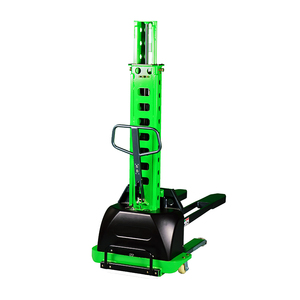
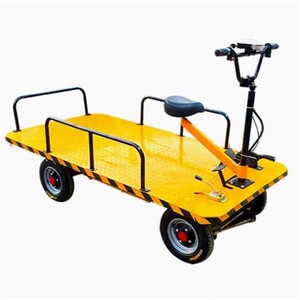
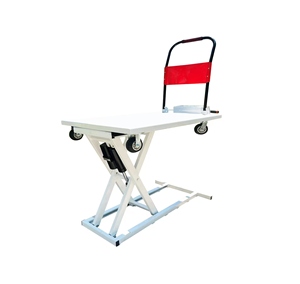
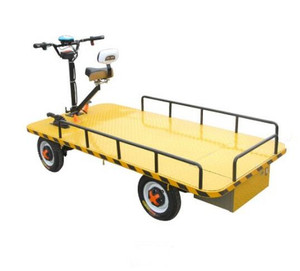
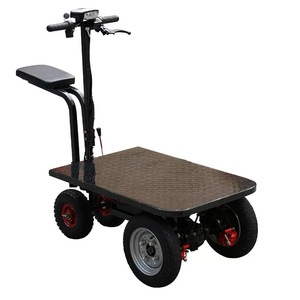
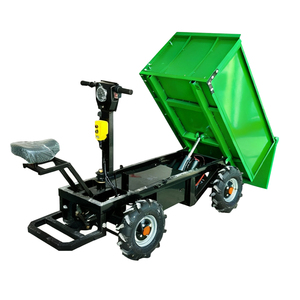
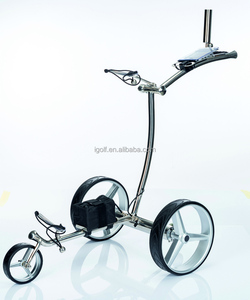
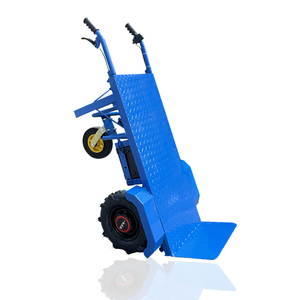
Modern agricultural enterprises, commercial nurseries, greenhouse complexes, and large-scale farming estates are under tremendous pressure to optimize internal material handling while reducing operational expenditures and carbon footprints. The transition from legacy Internal Combustion Engine (ICE) farm buggies to next-generation Electric Utility Vehicles (EUTVs), Motorized Flatbed Carts, and Electric Mini Dumpers represents a fundamental shift in agricultural operational efficiency.
According to global agricultural machinery research, the market for farm utility transport vehicles is projected to expand at a CAGR of 8.7% over the next decade. Driving this growth are stringent global emissions mandates, rising maintenance overhead for small diesel/gasoline engines, and the demand for low-noise equipment capable of operating inside covered greenhouses and livestock facilities without contaminating air quality.
Core Procurement Insight: Leading B2B buyers evaluate farm vehicle factories not merely on initial unit price, but on structural chassis metallurgy, Battery Management System (BMS) thermal safety, IP-rated component sealing, and compliance with World Manufacturer Identifier (WMI) regulatory protocols.
As a specialized manufacturer and global OEM/ODM engineering leader, our manufacturing facilities integrate automotive-grade assembly standards into commercial farm vehicles. Every platform—from 500kg motorized hand trucks to 1.5-ton electric lifting pallet jacks—is built on heavy-duty cold-rolled steel frames treated with cathodic electro-deposition coating to resist fertilizer corrosion, mud exposure, and extreme climate fluctuations.
Sourcing commercial farm utility vehicles requires rigorous technical due diligence. Below are the five essential manufacturing benchmarks that distinguish world-class farm vehicle factories from standard assembly shops:
Robotic TIG-welded high-tensile carbon steel frames designed to withstand torsional stress across uneven terrain, muddy furrows, and heavy static loads up to 1500kg.
Maintenance-free Brushless Permanent Magnet Synchronous Motors (PMSM) providing high torque output at low speeds, essential for ascending steep slopes with heavy payload volumes.
Fully sealed motor controllers, waterproof harness connections, and enclosed gearboxes allowing equipment to be pressure-washed and operated safely in torrential weather.
Agricultural logistics encompasses diverse operational environments. Selecting the correct vehicle form-factor prevents workflow bottlenecks and extends fleet service life.
Designed for agro-processing plants, cold storage facilities, and bulk seed packing warehouses. Featuring double polyurethane load wheels and reinforced metal frames, these units handle standardized pallets (540*1150mm) while negotiating tight indoor aisles with precision steering.
Essential for livestock manure clearing, soil transportation, orchard harvesting, and gravel hauling. Equipped with electro-hydraulic tipping rams, these vehicles allow a single worker to transport and unload up to 500kg of dense material effortlessly, reducing physical strain and labor overhead by over 60%.
Greenhouse farming requires narrow-chassis vehicles capable of elevating operators and cargo to harvest high-wire crops (tomatoes, cucumbers) or repair overhead irrigation. Hydraulic scissor-lift mechanisms integrated into flatbed carts offer dual functionality: lateral haulage and vertical position control.
Navigating multi-tiered farm buildings, terraced crops, and processing facilities requires specialized stair-climbing gear assemblies. Featuring tri-wheel rotational clusters, these carts carry loads up to 500kg up steps and curbs without slipping or losing balance.
A rigorous 5-year financial breakdown highlights why global commercial agricultural operations are phasing out internal combustion engines in favor of high-capacity electric platform carts.
| Financial & Operational Metric | Legacy Small Diesel / Gas Buggy | Next-Gen Electric Platform Vehicle | B2B Sourcing Advantage |
|---|---|---|---|
| Initial Acquisition Cost | Moderate ($4,500 - $7,000) | Competitive ($2,800 - $5,500) | Lower initial capital expenditure per fleet unit |
| Energy / Fuel Cost (per 1,000 km) | $180 - $240 (Diesel Fuel) | $25 - $40 (Off-Peak Electricity) | Up to 85% energy cost reduction |
| Maintenance Overhead | High (Engine oil, spark plugs, belts, filters) | Low (Sealed motor, brake check, tire pressure) | Saves 40+ maintenance hours per unit annually |
| Noise & Indoor Air Safety | High noise (>85dB), toxic exhaust gases | Whisper-quiet (<50dB), zero tailpipe emissions | Safe for enclosed greenhouses and livestock barns |
| Expected Powertrain Lifespan | 3,000 - 5,000 Operating Hours | 10,000+ Operating Hours (Brushless PMSM) | Doubled operational service lifecycle |
As a primary vehicle manufacturer headquartered in Boise, Idaho, and supported by global heavy-industry manufacturing nodes, our enterprise delivers unparalleled OEM/ODM customization for agricultural and commercial fleets. We operate under registered World Manufacturer Identifier (WMI) codes, providing official 17-digit Vehicle Identification Numbers (VINs) for models requiring low-speed street-legal or institutional compliance.
Custom bed dimensions, drop-down side gates, hydraulic dump bins, and specialized cargo racks engineered to match exact agricultural harvesting requirements.
Configurable battery trays supporting maintenance-free AGM deep-cycle lead-acid or ultra-lightweight LiFePO4 (Lithium Iron Phosphate) packs with built-in smart BMS heating modules for sub-zero operations.
Engineering compliance with FMVSS Low-Speed Vehicle (LSV) standard equipment, DOT lighting packages, CE certifications, and dedicated spare-part supply lines.
Forward-thinking purchasing directors and farm operations managers must align their equipment procurement strategies with emerging global technology trends:
To eliminate charging downtime during peak harvesting seasons, future farm utility vehicles are adopting standardized slide-out battery trays. Operators can swap depleted lithium packs for fully charged units in under two minutes, enabling continuous 24/7 harvest cycles.
Modern commercial farms cover vast acreage. Integrating IoT telematics modules directly into vehicle motor controllers allows managers to track real-time GPS locations, monitor battery state-of-health, detect collision impacts, and automate preventative maintenance alerts.
The integration of LiDAR and ultra-wideband (UWB) wireless sensors is turning electric flatbed carts into autonomous harvest assistants. Electric carts can automatically follow field workers along crop rows or navigate pre-mapped routes from field to cold storage without human drivers.
Standard production lead time for customized fleet orders ranges between 15 to 25 business days following engineering design approval. Prototype sampling can be completed within 10 days depending on component availability.
Our heavy-duty electric vehicles feature high-reduction transaxles paired with high-torque brushless PMSM motors. Combined with deep-tread pneumatic off-road tires, these vehicles comfortably climb 20% to 30% slopes under full rated payload capacity.
For sub-zero winter operations (below 0°C/32°F), we specify LiFePO4 battery packs equipped with internal thermal management blankets (self-heating BMS). Alternatively, heavy-duty AGM deep-cycle batteries offer stable discharge performance in freezing conditions.
Yes. Select configurations engineered under our WMI credentials are built to meet Low-Speed Vehicle (LSV) regulatory guidelines, featuring manufacturer-assigned 17-digit VINs, DOT safety glass windshields, seat belts, side mirrors, and full turn-signal lighting systems.
We provide a comprehensive 2-year structural chassis warranty and 12-to-24 month warranties on electric motors, controllers, and battery systems. Fast-moving spare parts (tires, brake pads, switches, relays) are bundled in OEM dispatch shipments to ensure high fleet uptime.
