Direct OEM Exporter Solutions Engineered for Industrial Fleet Operations, Commercial Logistics, and Resort Transport
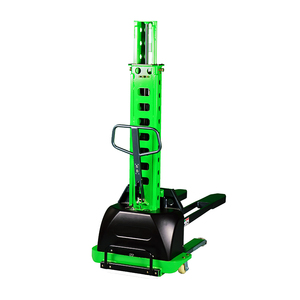
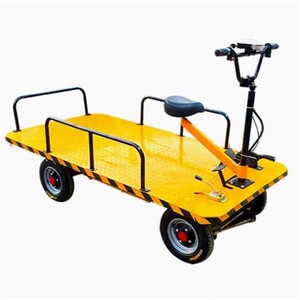
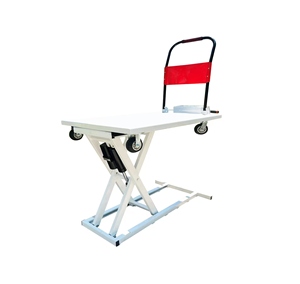
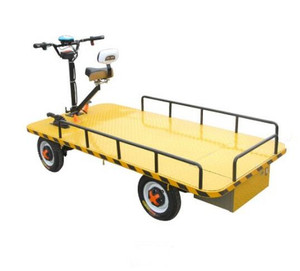
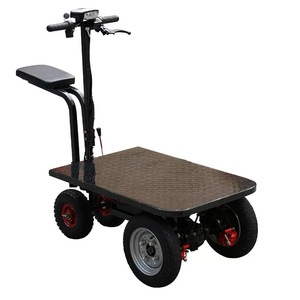
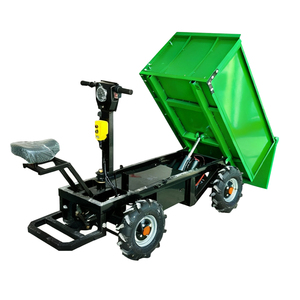
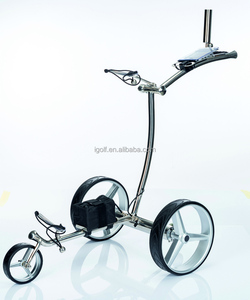
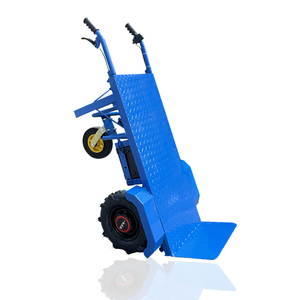
In the rapidly evolving global micro-mobility market, procuring Electric Mokes, Low-Speed Vehicles (LSVs), and commercial electric flatbed trolleys requires stringent compliance evaluation. Unlike conventional off-road golf carts, premium electric Mokes exported to international markets must strictly comply with regional transportation authorities—including the US Department of Transportation (DOT), Federal Motor Vehicle Safety Standards (FMVSS Standard 571.500), and European Commission Whole Vehicle Type Approval (ECWVTA).
As a leading registered vehicle manufacturer, enterprise partners like Warthog EV (Headquartered at 7677 W. Emerald St., Boise, ID 83704) set the benchmark for low-speed electric transport engineering. Key OEM technical differentiators include:
Every commercial vehicle leaves the assembly line with a unique 17-digit Vehicle Identification Number linked to an officially recognized World Manufacturer Identifier (WMI). This enables legal state registration, titling, and insurance coverage.
Equipped with automotive-grade DOT safety glass windshields, three-point seat belts, LED headlamps, turn signal indicator arrays, dual side-view mirrors, and rear-view camera systems for street-legal operation on roads posted up to 35 MPH.
Shared chassis engineering across 2-passenger, 4-passenger, and 6-passenger configurations (e.g., Warthog Omega 2, Omega 4, and Omega 6 series). Fleet operators drastically reduce maintenance TCO by standardizing common spare parts.
For B2B importers, resort operators, and commercial procurement officers, understanding the technical boundary between standard golf buggies and legal LSVs is vital for risk mitigation and municipal compliance:
| Technical Criterion | Standard Golf Cart | Certified Electric LSV / Moke | Industrial Electric Flatbed Cart |
|---|---|---|---|
| Maximum Speed | 12 - 15 MPH (19 - 24 km/h) | 20 - 25 MPH (32 - 40 km/h) | 8 - 18 MPH (13 - 29 km/h) |
| Registration Status | Off-Road / Private Property Only | Street Legal (Public Roads ≤ 35 MPH) | Facility / Warehouse / Indoor-Outdoor |
| Vehicle Traceability | Serial Number Only | 17-Digit Manufacturer VIN (WMI Registered) | Industrial Equipment Serial Code |
| Safety Equipment | Basic Bumper & Canopy | DOT Windshield, Seatbelts, Mirrors, Turn Signals | Emergency Cut-Off, Horn, Polyurethane Bumpers |
| Battery Powertrain | Lead-Acid or Standard Li-Ion | High-Density LiFePO4 with Smart BMS | Deep-Cycle Traction or Lithium Pack |
As municipalities and enterprise fleets accelerate toward net-zero decarbonization targets, the market demand for versatile low-speed passenger vehicles and multi-purpose utility carts is undergoing a structural transition. Strategic procurement managers must align their 2026–2030 sourcing agendas with four overarching engineering breakthroughs:
Legacy flooded lead-acid batteries have been virtually phased out by leading exporters due to high maintenance requirements, short cycle lifespans (300–500 cycles), and environmental toxicity. Modern electric Mokes and heavy-duty industrial trolleys utilize high-capacity Lithium Iron Phosphate (LiFePO4) cell chemistry, offering:
Modern commercial deployments—such as eco-resort passenger shuttles, university campus transport, and multi-building industrial complexes—increasingly mandate cloud-connected telematics. OEM manufacturers are embedding IoT gateways that allow fleet supervisors to monitor vehicle location in real time, set remote velocity limiters, establish geofenced operational perimeters, and track battery health metrics remotely via web dashboards.
Electric Mokes are heavily deployed in coastal beach resorts, tropical islands, and maritime ports where saltwater exposure causes catastrophic frame degradation. Top-tier exporters now utilize heavy-gauge tubular steel frames treated with robotic hot-dip galvanization, e-coating primer immersion, and automotive polyurethane topcoats, ensuring 10+ years of structural integrity against atmospheric salt spray corrosion.
For industrial cargo carts and greenhouse agricultural dollies, the market is shifting toward electro-hydraulic lifting mechanisms and semi-autonomous line-following sensors. Flatbed trolleys equipped with hydraulic scissor beds allow workers to transfer 1.5-ton loads directly to workbench levels, eliminating manual lifting injuries and optimizing warehouse throughput.
Technical & Commercial Intelligence to Guide Your International Vehicle Procurement
A golf cart is built primarily for off-highway turf use with speed capped around 15 mph, lacking federal motor vehicle safety equipment. An Electric Moke LSV (Low-Speed Vehicle) is a federally recognized motor vehicle class engineered to reach 20–25 mph. It is factory-built with DOT lighting, seat belts, safety glass, side mirrors, and a registered 17-digit VIN, permitting operation on public roads with posted speed limits up to 35 mph (subject to local legislation).
Without a manufacturer-assigned 17-digit Vehicle Identification Number tied to an official World Manufacturer Identifier (WMI), local DMV authorities cannot title or register the vehicle for street use. During international customs import, customs agencies verify the WMI and manufacturer certificates of origin (MSO/COO) to categorize the shipment properly under HS Code 8703 (Passenger Motor Vehicles) or HS Code 8709 (Works Trucks / Works Tractors), avoiding severe tariff penalties or port rejections.
Yes. Reputable vehicle exporters offer extensive OEM/ODM customization options. Industrial flatbed trolleys, hydraulic lifting trucks, and passenger Mokes can be tailored with specific cargo deck dimensions, powder-coat corporate colors, custom polyurethane/pneumatic wheel configurations, higher-voltage motor controllers (e.g., Curtis AC or Sevcon controllers), and specialized battery tray dimensions.
Industrial utility carts, such as 500kg stair-climbers and self-unloading mini dumpers, must adhere to international machinery directives including CE Marking, ISO 9001 quality management, and Machinery Directive 2006/42/EC. Key safety features include electromagnetic auto-locking brakes that prevent rollback on inclines, emergency stop buttons, speed governors, and overload protection sensors.
Standard minimum order quantities (MOQ) for commercial utility carts range from 1 to 5 units depending on customization levels. Production lead times for custom OEM builds generally span 20 to 35 days, followed by ocean transport (FCL or LCL containerized shipping). All vehicles undergo strict factory PDI (Pre-Delivery Inspection), high-voltage isolation testing, and dynamic load testing prior to container loading.
Connect directly with senior technical consultants to request OEM spec sheets, commercial bulk pricing, custom vehicle configurations, and international shipping estimates.
