Explore high-capacity material handling equipment, low-speed utility transport, and street-legal passenger platforms engineered to meet international safety and performance standards.
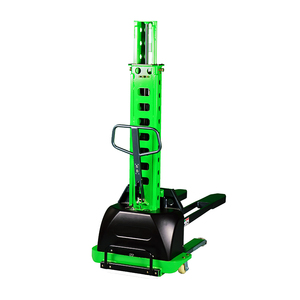
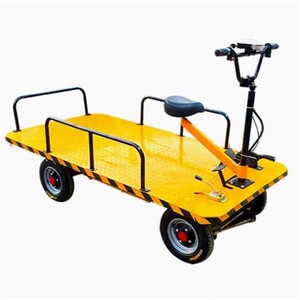
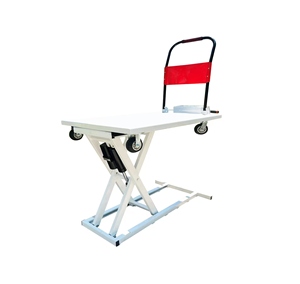
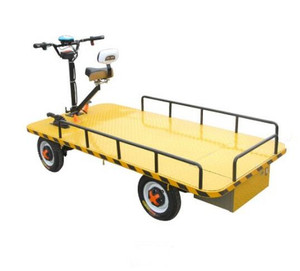
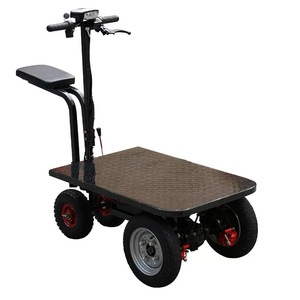
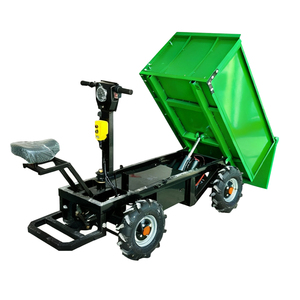
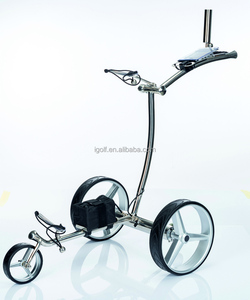
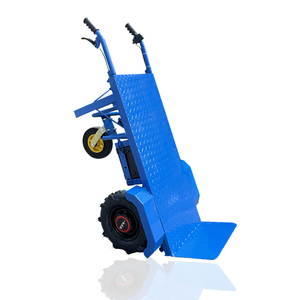
17-Digit VIN & WMI Traceable
Global Fleet Units Shipped
LSV Compliance Standard
On-Time International Delivery
As a globally certified electric vehicle manufacturer, our production lines integrate rigorous automotive standards, compliance frameworks, and OEM/ODM engineering capabilities.
Every commercial vehicle and low-speed electric cart leaves our facility with a unique, manufacturer-assigned 17-digit Vehicle Identification Number linked to our World Manufacturer Identifier (WMI). This guarantees legibility for titling, DMV registration, and global asset tracking.
Built upon hardened high-tensile carbon steel frame architectures. Our chassis undergo cathodic electro-coating (E-coating) and robotic TIG/MIG seam welding to prevent corrosion in coastal resorts, humid agricultural greenhouses, and heavy industrial yards.
Equipped with Lithium Iron Phosphate (LiFePO4) battery chemistry providing over 3,500+ charge cycles. Integrated smart Battery Management Systems (BMS) with real-time CAN-bus diagnostics enable remote telemetry, battery health monitoring, and fleet optimization.
From custom platform lengths and hydraulic scissor lifts to specialized cargo enclosures and branded livery, our in-house R&D team supports tailored engineering builds for commercial distributors and enterprise fleet clients worldwide.
The global commercial electric cart market is experiencing a profound paradigm shift driven by enterprise decarbonization targets, workplace safety mandates, and total cost of ownership (TCO) optimization. As industrial facilities, airports, agricultural operations, and luxury resorts transition away from internal combustion engine (ICE) utility vehicles, selecting a qualified exporter requires evaluating engineering rigor, compliance certification, and supply chain transparency.
Historically, commercial electric carts relied on heavy lead-acid battery packs. Modern export standards overwhelmingly favor Lithium Iron Phosphate (LiFePO4) powertrains. LiFePO4 batteries deliver substantial commercial advantages over lead-acid alternatives:
B2B importers must verify regulatory alignment before initiating bulk cross-border procurement. Low-Speed Vehicles (LSVs) intended for public road or mixed-use campus operations must comply with strict safety equipment specifications:
| Regulatory Standard | Jurisdiction | Key Engineering Requirements | Verification Document |
|---|---|---|---|
| FMVSS 500 (LSV) | United States / North America | DOT-approved windshield, seat belts, headlamps, turn signals, mirrors, 17-Digit VIN | NHTSA Manufacturer Registration |
| CE Machinery Directive | European Union (EU) | Electromagnetic Compatibility (EMC), emergency stop controls, hydraulic relief valves | Declaration of Conformity (DoC) |
| ISO 3691-1:2015 | Global / International | Industrial truck stability testing, braking efficiency, overload safety margins | TÜV / SGS Test Reports |
| UN38.3 & MSDS | Global Freight & Customs | Lithium battery transport safety, drop testing, thermal shock testing | Dangerous Goods (DG) Certificate |
Modern commercial electric carts utilize AC Induction or Permanent Magnet Synchronous Motors (PMSM) paired with high-efficiency programmable AC controllers (e.g., Curtis or Enpower systems). Unlike legacy brushed DC motors, AC brushless systems eliminate carbon brush replacements, deliver regenerative braking to recover kinetic energy during deceleration, and feature IP67-rated waterproof enclosures for harsh outdoor operations.
As enterprise operations modernize, top-tier electric cart exporters are integrating next-generation technologies to enhance asset utilization, operational safety, and fleet management.
Leading exporters are embedding cellular and GPS telematics modules directly into vehicle wiring harnesses. This allows fleet managers to monitor live operational metrics via cloud dashboards, including:
To optimize container shipping costs and operational flexibility, exporters are migrating toward unified modular chassis architectures. A single base frame can be configured during manufacturing—or retrofitted in the field—into a flatbed cargo carrier, a hydraulic dump cart, an enclosed security patrol cart, or a multi-passenger shuttle trolley. This commonality reduces spare parts inventory management overhead for commercial distributors by up to 40%.
Industrial push carts and platform trolleys are increasingly equipped with drive-by-wire steering interfaces. This enables seamless conversion into Automated Guided Vehicles (AGVs) or Autonomous Mobile Robots (AMRs) using LiDAR and optical sensors for indoor warehouse logistics.
Answers to critical questions asked by international buyers, fleet managers, and commercial distributors during supplier evaluation.
A standard golf cart is designed for off-road or property-specific use, typically capped at speeds around 15 mph (24 km/h), and lacks full safety equipment. A Low-Speed Vehicle (LSV) is a federally recognized vehicle class capable of speeds up to 25 mph (40 km/h). LSVs come equipped with DOT-compliant headlights, tail lights, turn signals, mirrors, seat belts, safety glass windshields, and a manufacturer-assigned 17-digit VIN, permitting legal operation on public roads posted at 35 mph or less (subject to local laws).
A 17-digit VIN assigned under a registered World Manufacturer Identifier (WMI) provides complete legal traceability from the factory floor through customs clearance, state registration, insurance underwriting, and secondary market resale. Importers purchasing un-VINed carts often face severe regulatory roadblocks at port customs or registration refusal by motor vehicle departments.
We provide full turnkey OEM support including customized chassis dimensions, hydraulic scissor-lift heights, payload capacity upgrades up to 1.5 tons, custom powder-coat body colors, branded logo applications, specialized tire treads (turf, smooth, or all-terrain), battery pack sizing (Lead-Acid or LiFePO4), and custom controller programming.
All lithium-powered electric carts ship with UN38.3, MSDS, and DG certification. Batteries undergo altitude simulation, thermal testing, vibration, shock, external short circuit, impact, overcharge, and forced discharge testing to comply with IMO maritime safety standards and international air/ocean freight protocols.
Standard configuration orders typically ship within 15 to 25 business days from order confirmation. Fully customized OEM builds require 30 to 45 days depending on tooling requirements. Ocean freight transport times vary by regional port destination, typically ranging from 14 days (Asia-Pacific) to 30-35 days (North America & Europe).
