OEM/ODM Certified Industrial Electric Platforms Engineering Zero-Emission Intra-logistics and Heavy Duty Freight Handling

In the rapidly evolving landscape of modern intra-logistics, industrial facility automation, and commercial fleet decarbonization, enterprise buyers and global supply chain directors face unprecedented pressure to replace legacy internal combustion engine (ICE) and manual transport tools with high-efficiency commercial electric vehicles (EVs). Sourcing directly from certified commercial EV manufacturers equipped with World Manufacturer Identifier (WMI) registrations, manufacturer-assigned 17-digit Vehicle Identification Numbers (VIN), and strict adherence to international safety standards (including ISO 9001, CE certification, and Federal Motor Vehicle Safety Standards/FMVSS low-speed vehicle compliance) provides companies with a distinct competitive advantage in total cost of ownership (TCO) and operational resilience.
Our OEM/ODM manufacturing ecosystems represent the peak of modern B2B electric equipment engineering. By combining robotically welded reinforced high-tensile steel frame structures, state-of-the-art LiFePO4 (Lithium Iron Phosphate) battery chemistry management systems (BMS), high-torque brushless AC/DC traction motors, and ergonomic user controls, our commercial utility platform line delivers zero-emission performance engineered specifically for high-intensity industrial duty cycles.
Long cycle life batteries offering 3500+ deep cycles, rapid opportunity charging capability, and continuous integrated BMS monitoring for maximum thermal security.
Electrophoretic paint dipping (E-coating) combined with heavy powder-coating layer prevents oxidation and structural decay in harsh corrosive marine or chemical plant environments.
Full factory engineering support for bespoke bed dimensions, specialized load attachments, automated safety sensors, and branded enterprise aesthetic finishes.
Commercial utility electric vehicles cover a broad matrix of application scenarios. Understanding the technical specifications, load ratings, drivetrain configurations, and ergonomic advantages of each specialized vehicle class ensures procurement officers align equipment capabilities directly with operational requirements.
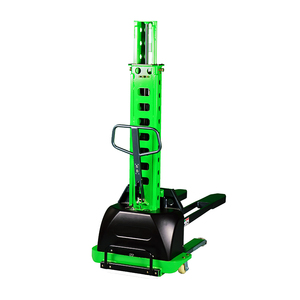
Modern distribution hubs demand efficient horizontal load transfers. A 1.5-ton electric pallet jack powered by heavy-duty lithium power units eliminates the physical strain of manual hydraulic pumping. Outfitted with dual rear polyurethane load wheels, non-marking drivetrains, and ergonomic tiller heads, these units navigate narrow aisle settings with precision while offering electromagnetic automatic braking upon handle release.
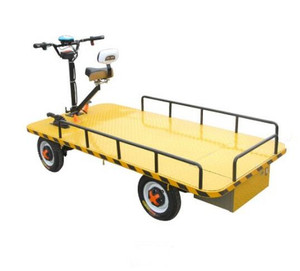
Designed for multi-ton industrial logistics within large assembly plants, 4-wheel flatbed motorized carts serve as the backbone of inter-departmental transport. Featuring dual-axle electronic differential gearing, low center-of-gravity chassis designs, and optional pneumatic or solid rubber tires, these platforms easily transport heavy sub-assemblies, steel plates, and bulk raw materials.
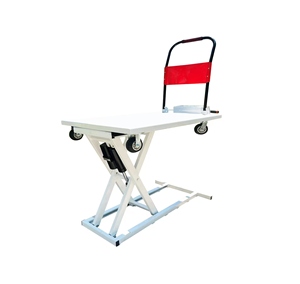
Precision agriculture, commercial greenhouses, and trade transportation demand specialized vertical and horizontal mobility. Hydraulic lifting hand trucks allow operators to match elevated loading docks or plant pruning tables effortlessly. Integrated hydraulic scissor jacks driven by silent electric pumps ensure smooth vertical elevation while maintaining vehicle center-of-gravity safety.
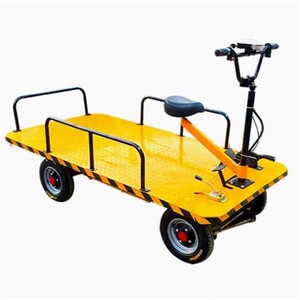
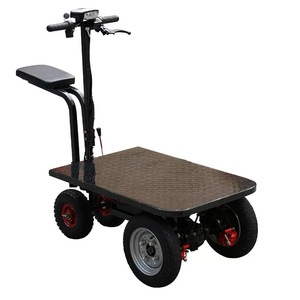
When travel distances across expansive industrial parks exceed standard walking thresholds, ride-on platform carts dramatically decrease transit times. Equipped with operator standing pads or ergonomic seating, heavy-duty suspension springs, and high-capacity battery trays, these utility vehicles maximize worker productivity in continuous 3-shift warehouse operations.
For last-mile logistics, field repair teams, and modular service personnel, portability is essential. Electric platform carts with foldable handlebars offer high load capacities while collapsing into a compact profile capable of fitting inside commercial delivery vans or service truck beds.
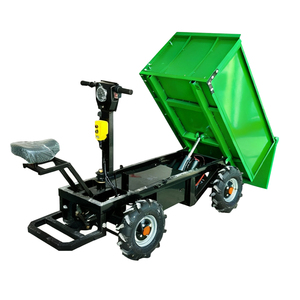
Civil construction, municipal maintenance, and bulk agriculture require rugged motorized dumpers capable of climbing loose gravel, muddy trails, and steep gradients. Electric mini dumpers feature heavy-duty hydraulic tipping rams, reinforced steel hopper beds, and high-torque three-wheel or track configurations that deliver rapid self-unloading capability with zero localized noise or exhaust emissions.
Connecting resort properties, university campuses, hospital grounds, and gated residential communities requires comfortable, low-speed transport solutions. Engineered with 17-digit VIN identifiers, DOT-compliant lighting packages, safety glass windshields, and three-point seatbelts, these low-speed electric vehicles (LSVs) combine passenger comfort with full compliance for operation on public roads posted up to 35 mph.
Navigating multi-story facilities lacking industrial freight elevators presents severe ergonomic challenges. Specialized stair-climbing electric carts feature rotating triple-wheel star assemblies powered by high-reduction worm gear motors, ensuring stable multi-step stair ascension and descents with load capacities up to 500kg.
| Commercial EV Category | Standard Load Capacity | Motor Rating | Battery Chemistry | Primary Industrial Application |
|---|---|---|---|---|
| 1.5T Electric Pallet Jack | 1500 kg | 0.75kW – 1.2kW Brushless | 24V / 48V LiFePO4 | High-Density Warehousing & Dock Unloading |
| Heavy Duty Transport Cart | 1000 kg – 3000 kg | 2.2kW – 5.0kW AC Motor | 48V / 60V Lithium Pack | Automotive Manufacturing & Foundry Freight |
| Hydraulic Lifting Flatbed | 500 kg – 1000 kg | 1.5kW DC Motor + Lift Pump | 36V / 48V Deep Cycle | Greenhouse Agriculture & High-Shelf Picking |
| Self-Unloading Mini Dumper | 500 kg – 800 kg | 1.0kW – 1.8kW High Torque | 48V Maintenance-Free | Construction, Landscaping & Demolition |
| Low-Speed Shuttle / LSV | 400 kg – 800 kg (2-6 Seat) | 4.0kW – 7.5kW AC Motor | 48V / 72V Lithium System | Resort, Campus & Urban Fleet Micro-Mobility |
| Stair Climbing Trolley | 300 kg – 500 kg | 800W High Gear Ratio | 36V Quick-Swap Pack | Urban Delivery, Multi-story Facility Logistics |
As corporate sustainability directives tighten global supply chains, enterprise procurement strategies for commercial electric vehicles are shifting from simple initial capital expenditure (CAPEX) comparisons to sophisticated Total Cost of Ownership (TCO) and technology integration models. Navigating these industry trends ensures fleet operators maintain operational agility and long-term regulatory compliance.
Legacy lead-acid batteries are being rapidly phased out across commercial and industrial fleets in favor of advanced Lithium Iron Phosphate (LiFePO4) energy systems. LiFePO4 chemistry provides significant advantages, including 3-times longer service cycle life, zero off-gassing during charging, maintenance-free operations, and high tolerance for rapid opportunity charging during shift breaks. Facilities no longer need dedicated, ventilated battery charging rooms, liberating valuable floor space for core logistics operations.
Modern commercial EVs are increasingly equipped with CAN-bus onboard diagnostics, GPS tracking, driver authorization RFID keypads, and real-time telematics hardware. Fleet managers can remotely track vehicle state-of-charge (SOC), monitor driver behavior, receive automated maintenance alerts, and optimize fleet utilization metrics across multi-site industrial compounds.
The boundary between operator-driven electric utility vehicles and Automated Guided Vehicles (AGVs) or Autonomous Mobile Robots (AMRs) is blurring. Top commercial EV manufacturers are designing "AGV-Ready" chassis architectures featuring drive-by-wire steering, electronic braking, and modular sensor mounting brackets (LiDAR, Ultrasonic, Depth Cameras), allowing companies to transition from manual driver control to fully autonomous intra-factory freight handling in phased upgrades.
Global labor safety bodies (such as OSHA in North America and EU-OSHA in Europe) continue to enforce stricter regulations against manual pushing, pulling, and heavy lifting. Deploying motorized pallet jacks, stair-climbing carts, and hydraulic lifting dollys drastically reduces workplace musculoskeletal injuries, lowering corporate workers' compensation claims while elevating overall job satisfaction and worker retention.
Commercial EVs reduce energy costs by up to 80% compared to fossil-fuel vehicles while eliminating engine oil changes, spark plug replacements, and exhaust filtration maintenance.
Direct factory sourcing enables scalable customization—from custom deck colors and company logos to specialized hydraulic attachments and heavy-duty towing hitch receivers.
Certified factory builds include full international documentation (UN38.3 battery transport standards, CE certification, and FMVSS/LSV compliance paperwork) for seamless import clearance.
Critical Sourcing Answers for B2B Enterprise Buyers, Logistics Managers, and Original Equipment Distributors
Standard production models typical have low minimum order thresholds (often 1 to 5 units depending on vehicle size). For customized OEM/ODM structural modifications—such as custom bed dimensions, bespoke hydraulic lifting configurations, or unique frame geometry—our factory supports prototyping with flexible MOQ structures tailored for fleet trial periods.
A 17-digit Vehicle Identification Number (VIN) issued under a registered World Manufacturer Identifier (WMI) certifies that the vehicle is produced by a globally recognized automotive/LSV manufacturer. This unique identifier is mandatory for titling, state registration, street-legal licensing on public roads (where permitted), and securing commercial vehicle insurance.
All electric commercial vehicles exported from our facilities are supplied with comprehensive international battery safety documentation, including UN38.3 transport safety testing reports, MSDS (Material Safety Data Sheets), CE certification compliance, and hazardous materials air/ocean freight documentation for safe sea and air shipping logistics.
Yes. Critical electrical subsystems—including motor controllers, wiring harnesses, lithium battery enclosures, and throttle sensors—are sealed to IP65 or IP67 ingress protection standards. Chassis structures undergo multi-layer anti-corrosion treatment (E-coating and industrial powder coating) to withstand outdoor weather exposure, rain, and facility washdowns.
We provide comprehensive B2B factory warranty coverage across structural chasses, traction motors, controllers, and battery packs (ranging from 1 to 5 years based on selected component specifications). Global logistics partners maintain replacement parts stock—including tires, brake assemblies, switches, and controllers—ensuring minimal operational downtime.
Direct Factory Sourcing | Custom OEM Structural Modifications | Wholesale Commercial Fleet Pricing | Certified International Quality Compliance