Explore our custom-engineered low-speed electric vehicles (LSVs), motorized transport carts, and specialized electric material handling platforms built for heavy-duty commercial deployment, estate management, resorts, and industrial logistics.
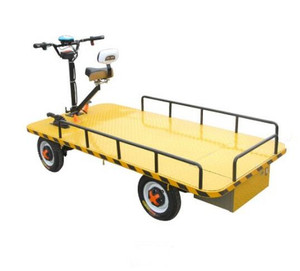
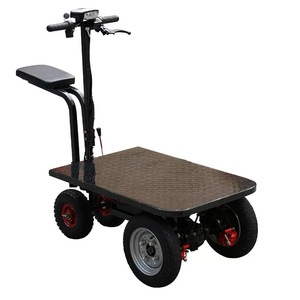
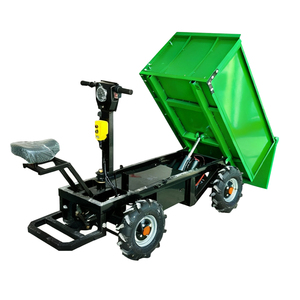
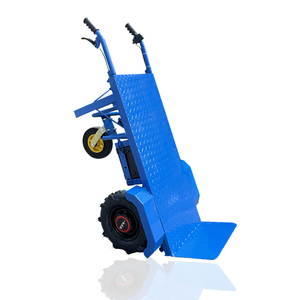
The global transition toward electrified micro-mobility and zero-emission industrial logistics has fundamentally redefined procurement standards for B2B fleet operators, commercial distributors, municipal transport authorities, and resort developers. As a specialized Custom OEM Mini EV Supplier & Exporter, our engineering philosophy bridges the gap between low-volume customized utility platforms and high-capacity automotive manufacturing rigor. Unlike traditional golf cart assemblers who rely on off-the-shelf tubular frames, our low-speed electric vehicles (LSVs) and motorized transport carts are built from the ground up on hardened automotive-grade chassis architectures.
In today's regulatory environment, purchasing commercial electric mini vehicles requires strict adherence to international safety parameters. Every LSV platform designed in our manufacturing system is integrated with a manufacturer-assigned 17-digit Vehicle Identification Number (VIN) registered under our official World Manufacturer Identifier (WMI). This guarantees complete structural traceability, enabling seamless titling, commercial licensing, DMV compliance, and fleet insurance coverage across North American, European, and Asia-Pacific markets.
| Specification Metric | Passenger LSV Platforms (2/4/6 Seat) | Industrial Flatbed / Motorized Carts | Specialized Hydraulic & Stair-Climbing EVs |
|---|---|---|---|
| Vehicle Classification | US FMVSS 500 LSV / EU EEC L7e | Industrial Material Transport / Off-Highway | Specialized Commercial Logistics Equipment |
| Payload Capacity | 350 kg – 800 kg (770 lbs – 1,760 lbs) | 500 kg – 3,000 kg (1,100 lbs – 6,600 lbs) | 300 kg – 1,500 kg (660 lbs – 3,300 lbs) |
| Motor Architecture | 48V / 72V 4kW - 7.5kW PMSM Brushless | 48V / 60V High-Torque AC Gear Motor | 24V / 48V Dual Drive & Hydraulic Servo |
| Battery Technology | Lithium LiFePO4 (105Ah – 210Ah) Smart BMS | Heavy-Duty Deep Cycle Lead-Acid / LiFePO4 | Modular Fast-Swap Lithium Pack Systems |
| Frame Metallurgy | Robotic-Welded High-Strength Tubular Steel | Reinforced Structural Channel Iron / Alloy Frame | Laser-Cut Carbon Steel Frame / Polyurethane Wheels |
| Max Speed & Gradeability | 25 MPH (40 km/h) | 25% - 30% Incline | 10 - 20 MPH | 20% Incline under load | 5 - 15 MPH | Stair climbing stair module gear |
| Homologation Options | DOT Lighting, Safety Glass, 3-Point Belts | E-Stop, Warning Beacon, Horn, Reverse Beeper | Hydraulics Safety Lock, Anti-Slip Tracks |
As corporate ESG (Environmental, Social, and Governance) mandates accelerate globally, enterprise buyers are shifting away from internal combustion utility vehicles toward fully customized zero-emission platforms. The international B2B procurement ecosystem for mini EVs is undergoing four distinct technological shifts that strategic sourcing directors must navigate:
1. Shift to High-Density LiFePO4 Chemistry: The historical dominance of flooded lead-acid batteries in commercial utility carts has reached an inflection point. Modern fleet operators require zero-maintenance Lithium Iron Phosphate (LiFePO4) energy systems that offer 3,500+ deep discharge cycles, rapid opportunity charging capability (80% charge in under 2 hours), and integrated CAN-bus battery management systems (BMS). This reduces total cost of ownership (TCO) by over 40% over a 5-year operational lifecycle.
2. Demand for Modular SKD/CKD Assembly Kits: Global logistics costs and import tariffs have driven high demand for Semi-Knocked Down (SKD) and Completely Knocked Down (CKD) export configurations. Sourcing from a factory capable of precision engineering component packaging allows overseas distributors to minimize freight volumes by up to 300% per shipping container, enabling localized final assembly while optimizing regional tariff structures.
3. Telematics & Fleet Management System (FMS) Integration: Enterprise fleet buyers now demand embedded IoT hardware. Modern OEM Mini EVs feature CAN-integrated telemetry that reports real-time GPS coordinates, battery state-of-health (SoH), driver performance metrics, geofencing enforcement, and predictive maintenance alerts directly to cloud dashboards.
4. Multi-Purpose Modular Chassis Convertible Platforms: Rather than sourcing distinct single-purpose vehicles, procurement teams favor modular chassis designs where a single base vehicle can be converted from a 4-passenger resort shuttle into a rear-cargo flatbed utility cart or hydraulic dump bed vehicle within hours via standardized quick-release mounting points.
The commercial mini EV sector is rapidly evolving beyond basic golf cart derivatives into specialized electric utility vehicles (EUVs) engineered for intense operational duty cycles. Key development trends reshaping the industry include:
Enhanced Safety Equipment Standards (FMVSS 500 Compliance): Regulatory bodies across North America and Europe are imposing stricter safety rules on low-speed vehicles operating on public roads posted up to 35 mph. Modern OEM manufacturing requires integrated three-point seat belts, DOT-certified automotive safety glass windshields with electric wipers, automotive-grade side mirrors, full LED lighting clusters (high/low beams, daytime running lights, sequential turn indicators), and dual-circuit hydraulic disc brakes with regenerative braking feedback.
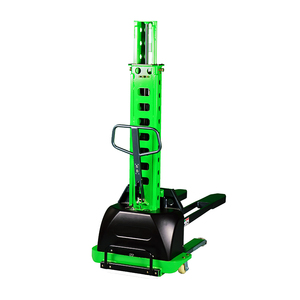
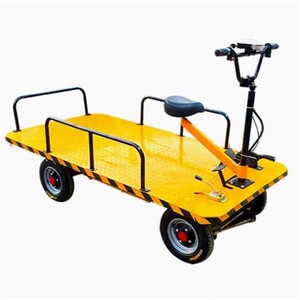
Hydraulic & Mechanical Assist Ergonomics: For material transport platforms, motorized flatbeds, and stair-climbing shopping carts, technological developments focus heavily on reducing operator fatigue and injury. Intelligent hydraulic lift actuators, self-unloading dump mechanisms, double-hand controls with safety dead-man switches, and polyurethane tri-wheel stair-traversing assemblies allow a single operator to move up to 1,500 kg safely across uneven industrial terrain or architectural staircases.
Lightweighting via Advanced Metallurgy & Composite Bodies: To maximize battery range without sacrificing structural payload integrity, modern Mini EV designs combine high-tensile hot-rolled steel chassis frames with lightweight rust-proof aluminum alloy subframes and high-impact thermoformed PP/ABS body panels. This structural approach prevents corrosion in coastal resorts, agricultural greenhouses, and industrial manufacturing plants exposed to chemical fumes or salt spray.
Whether you are expanding a commercial distribution network, procuring specialized material handling carts for industrial logistics, or developing a custom low-speed passenger fleet for luxury resorts, our engineering team provides end-to-end support from CAD design to final port delivery.