Engineered to rigorous FMVSS low-speed vehicle safety guidelines and ISO 9001 manufacturing benchmarks. Explore our global export inventory designed for heavy industry, luxury resorts, smart campuses, and urban logistics.
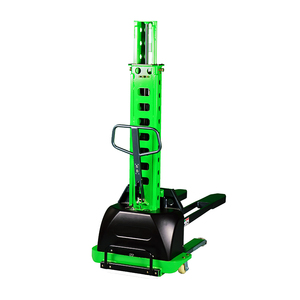
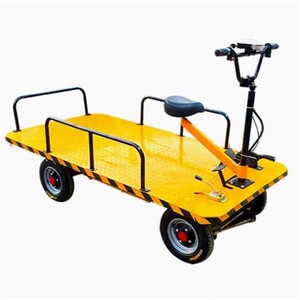
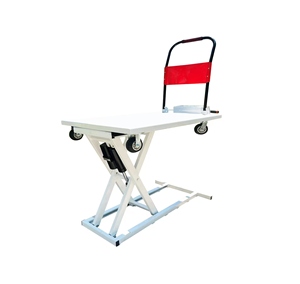
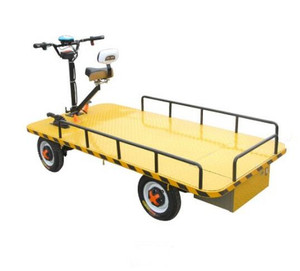
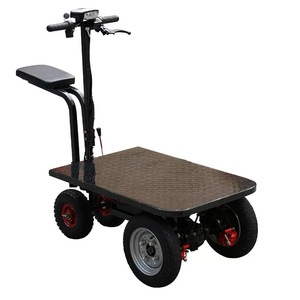
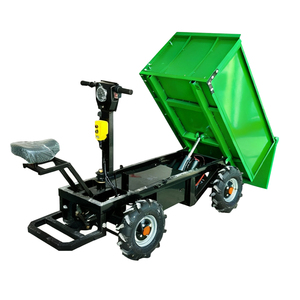
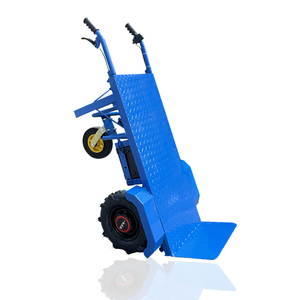
When procuring high-volume electric shuttle carts and low-speed vehicles (LSVs) from China, international distributors, resort operators, and commercial fleet managers face a fundamental distinction between off-road recreational buggies and fully certified, street-legal electric shuttle vehicles. Warthog EV operates as a fully registered global vehicle manufacturer headquartered in Boise, Idaho (7677 W. Emerald St.), providing true OEM accountability backed by a registered World Manufacturer Identifier (WMI).
Every street-legal shuttle cart that rolls off our production assembly lines is stamped with a manufacturer-assigned, unique 17-digit Vehicle Identification Number (VIN). This detail is mandatory for commercial fleet insurance, DMV title registration, and legal operation on municipal public roads posted up to 35 mph (where permitted by regional regulations). Unlike uncertified assemble-and-ship trading vendors, our engineering standard embeds complete traceability from raw chassis metallurgical sourcing through final brake-force dynamic testing.
Full adherence to Federal Motor Vehicle Safety Standards for Low-Speed Vehicles, including AS1/AS2 automotive safety glass windshields, seat belt anchorages, and high-impact bumpers.
Integrated headlights with high/low beams, turn signals, hazard flashers, running lights, high-mount third brake lights, and side reflectors engineered for high-visibility commercial operation.
Shared chassis architecture, motor controllers, steering gear, and wiring harnesses across 2-passenger, 4-passenger, and 6-passenger shuttle bodies minimize spare-parts inventory for fleet operators.
The commercial low-speed passenger and utility cart sector is undergoing a rapid transition toward high-density lithium chemistries, intelligent telematics, and standardized modular vehicle architectures.
Legacy lead-acid batteries are obsolete for commercial buyers due to heavy weight, toxic maintenance, slow recharge rates, and limited 500-cycle lifespans. Modern procurement mandates integrated Lithium Iron Phosphate (LiFePO4) packs with CAN-bus Smart BMS, offering 3,000+ deep cycles, rapid 2-hour opportunity charging, and zero electrolyte maintenance.
Enterprise procurement now requires real-time vehicle monitoring. Modern shuttle fleets feature integrated GPS tracking, remote battery state-of-health (SOH) monitoring, automated geofencing for resort safety, and predictive maintenance alerts broadcast straight to fleet management dashboards.
Wholesale buyers are steering away from rigid, single-purpose golf carts toward unified platform chasses that adapt quickly. With convertible rear flip-seats, enclosed weather-proof cabins, hydraulic tipping boxes, or multi-seat passenger modules, one chassis framework handles diverse operational roles.
The transition from legacy low-voltage 36V DC systems to high-efficiency 48V and 72V AC Synchronous and Permanent Magnet Synchronous Motors (PMSM) represents a landmark leap in low-speed transportation engineering. Modern AC motor controllers deliver dynamic regenerative braking that converts kinetic deceleration back into battery energy, reducing service brake wear by over 60% while extending duty-cycle range per charge.
From a chassis integrity standpoint, leading Chinese export suppliers are replacing painted channel-iron frames with electrophoretic-dip (KTL) coated high-strength tubular steel or lightweight structural T6-grade aluminum alloy. This structural shift eliminates frame corrosion in coastal resorts, tropical golf clubs, and high-humidity industrial plants, guaranteeing a structural service life exceeding 10 years.
| Engineering Parameter | Legacy Utility Carts (Pre-2020 Standard) | Next-Gen OEM Electric Shuttles (Current Standard) |
|---|---|---|
| Powertrain Architecture | 36V/48V Series DC Motor (Brushed) | 48V/72V PMSM / AC Asynchronous Drive System |
| Battery Cell Chemistry | Flooded Lead-Acid / Absorbed Glass Mat (AGM) | LiFePO4 Automotive-Grade Cells with CAN-bus BMS |
| Chassis Anti-Corrosion Treatment | Single-Layer Spray Paint over Carbon Steel | Cathodic Electrophoretic Dip (KTL) + Powder Coating |
| Braking System | Rear Mechanical Drum Brakes Only | Four-Wheel Hydraulic Disc + Electro-Magnetic Park Brake |
| Legal Certification Class | Uncategorized Off-Road Golf Buggy | FMVSS 500 / DOT Certified Low-Speed Vehicle (17-Digit VIN) |
Comprehensive regulatory, technical, and logistical answers to streamline your international commercial purchasing decisions.
A standard golf cart is designed for off-road or golf course duty with a top speed limited to ~15 mph (24 km/h) and minimal safety equipment. A Low-Speed Vehicle (LSV) is a federally recognized motor vehicle standard capable of 20 to 25 mph (32-40 km/h). LSVs require a 17-digit manufacturer VIN, DOT-approved safety windshield glass, seat belts, complete turn signals, mirrors, high-mount brake lights, and automotive horn—enabling legal driving on public roads posted up to 35 mph.
VIN numbers are assigned under strict guidelines established by international standards organizations and regional agencies like the National Highway Traffic Safety Administration (NHTSA) in the US. As an established OEM manufacturer with an officially registered World Manufacturer Identifier (WMI), Warthog EV stamps a permanent, unique 17-digit code onto the vehicle chassis. This VIN encodes factory location, platform specs, build year, model line, and serial sequence for seamless customs clearance and local DMV registration.
Yes. We specialize in comprehensive OEM/ODM structural tailoring. Options include extended wheelbase passenger seating (4, 6, and 8+ passenger configurations), enclosed glass cabins with integrated heating and air conditioning, heavy-duty rear utility beds, hydraulic self-tipping hoppers, ambulance/medical stretcher platforms, and branded custom colorways for resort corporate identity.
Container logistics are optimized during chassis design. Standard 40ft High Cube (40HQ) ocean containers typically fit 8 to 12 units of 4-passenger shuttle carts depending on whether SKD (Semi-Knocked-Down) or CBU (Completely Built-Up) packaging is requested. SKD shipping utilizes custom steel crates that stack vertically, minimizing landed freight costs per unit.
All export vehicles are backed by comprehensive factory warranties: 5 years on lithium battery assemblies, 3 years on structural frame components, and 2 years on motor drive and controller electronics. Replacement wear items, brake components, and electrical solenoids are stocked in regional distribution hubs, with fast air-express dispatch available for emergency maintenance requirements.
