Explore our heavy-duty, customizable, electric material handling equipment built for high-throughput logistics, manufacturing facilities, agricultural hubs, and resort infrastructure.
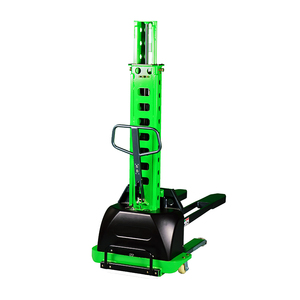
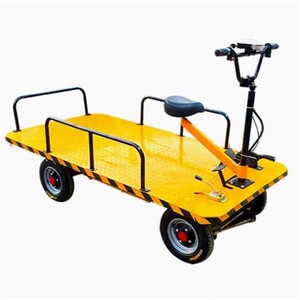
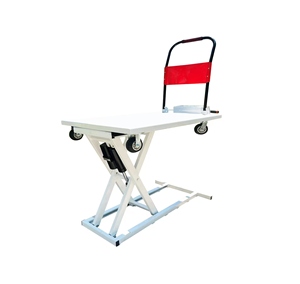
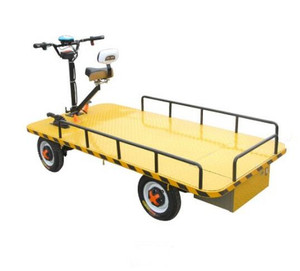
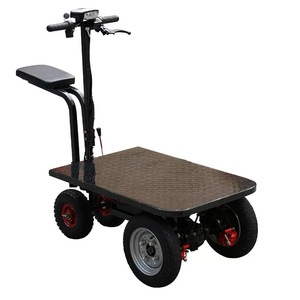
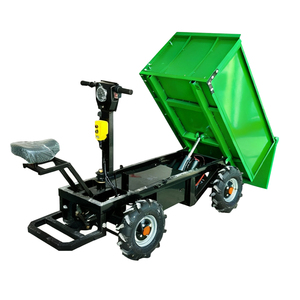
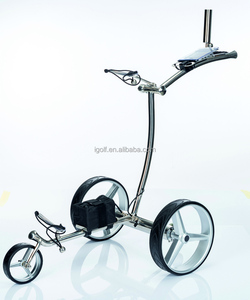
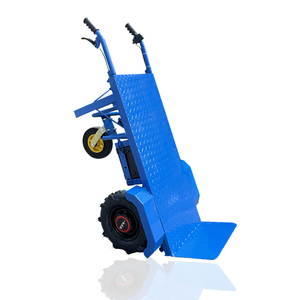
In the contemporary global supply chain landscape, selecting the right partner among China top work vehicle manufacturers & suppliers is a strategic decision that impacts operational uptime, fleet total cost of ownership (TCO), and workplace safety. Modern industrial sites, resort properties, university campuses, and logistics hubs are rapidly transitioning from legacy internal combustion engines to fully electrified Low-Speed Vehicles (LSVs) and motorized platform carts.
As a premier OEM/ODM manufacturer headquartered with World Manufacturer Identifier (WMI identification) credentials, our engineering facility merges heavy industrial vehicle manufacturing with advanced electric powertrain development. Every street-legal low-speed electric vehicle and heavy-duty material transport cart produced is built to withstand demanding duty cycles while remaining fully traceable via manufacturer-assigned 17-digit Vehicle Identification Numbers (VINs).
Delivering high-performance electric utility vehicles engineered for safety, compliance, and longevity.
Engineered for street-legal compliance on public roads posted at 35 mph or less. Outfitted with safety glass windshields, 3-point seat belts, DOT lighting, and dual side mirrors.
High-energy-density 48V / 72V lithium battery architectures integrated with smart BMS (Battery Management Systems), operating effectively in ambient temperatures ranging from -20°C to +55°C.
From hydraulic tipping dumpers and scissor-lift platforms to motorized stair-climbing gear assemblies, our structural engineering team adapts vehicles to exact workflow requirements.
The global industrial utility cart and low-speed electric vehicle market is undergoing a structural paradigm shift driven by stringent decarbonization mandates, corporate ESG commitments, and severe warehouse labor shortages. Procurement officers and facility directors can no longer rely on standardized off-the-shelf golf carts or manual hand trucks for demanding industrial environments.
Legacy lead-acid battery technology is rapidly being phased out across high-intensity material handling fleets. Modern commercial operations demand opportunity charging capability during break shifts without suffering battery memory degradation. Lithium Iron Phosphate (LiFePO4) batteries provide 3x the cycle life, zero acid-vapor maintenance, and a 30% total vehicle weight reduction, directly increasing payload capacity and motor acceleration responsiveness.
Large-scale facilities—such as automotive plants, airport grounds, multi-building corporate campuses, and master-planned residential communities—require vehicles capable of seamless transition between indoor narrow-aisle picking and outdoor public road transport. This trend has spiked demand for hybrid utility vehicles featuring manufacturer-assigned VIN numbers, DOT-certified lighting packages, and dual-mode throttle limiting (e.g., 8 km/h indoor mode vs. 40 km/h outdoor street mode).
Forward-thinking enterprise buyers now mandate CAN-bus connectivity and GPS telemetry modules embedded directly into controller systems. This allows real-time fleet tracking, automated geofencing, remote battery health diagnostic reporting, and driver authorization keycards to prevent unauthorized vehicle operation.
Occupational health and safety regulations worldwide are placing tighter limits on manual push/pull weight allowances. Specialized equipment like electric stair-climbing trolleys, motorized platform hand trucks, and self-unloading electric mini dumpers are becoming standard capital equipment investments to eliminate musculoskeletal injuries among workforce personnel.
Evaluating long-term economic performance across electric work vehicles versus legacy equipment platforms.
| Evaluation Parameter | Electric Work Vehicles (LiFePO4) | Conventional Lead-Acid Utility Carts | Gasoline Internal Combustion Carts |
|---|---|---|---|
| Expected Service Lifespan | 8 to 12 Years (3,500+ Cycles) | 3 to 4 Years (600 Cycles) | 5 to 7 Years (High Engine Wear) |
| Energy / Fuel Operating Cost | Ultra-Low (~$0.02 / km) | Moderate (~$0.05 / km due to efficiency loss) | High (~$0.15 / km + Oil/Filters) |
| Daily Maintenance Requirements | Zero (Sealed Battery & AC Motor) | High (Distilled Water Topping, Terminal Cleaning) | High (Engine Oil, Spark Plugs, Belts, Exhaust) |
| Indoor Air Quality & Noise Impact | Zero Tailpipe Emissions, Silent Operation | Zero Emissions (Potential Acid Fumes) | High Noise, Hazardous Carbon Monoxide Fumes |
| Regulatory / Public Street Eligibility | High (17-Digit VIN / FMVSS LSV Compliant) | Low (Usually Limited to Off-Road/Private) | Restricted in Eco-Zones and Indoor Parks |
Expert answers to critical technical, regulatory, and logistics questions faced by global importers and fleet managers.
To register an LSV with local authorities (such as the US DMV or European transport agencies), the vehicle must possess an official 17-digit VIN assigned under a registered World Manufacturer Identifier (WMI) and meet FMVSS 571.500 lighting, seat belt, and safety glass standards. Our factory provides all requisite Origin Certificates, Manufacturer's Statement of Origin (MSO), and technical compliance dossiers required for smooth title application.
We offer full engineering customization including frame dimensional adjustments (deck length/width), specialized payload enclosures, hydraulic scissor lift integration, custom controller programming for hill-climbing torque, heavy-duty tow hitches, non-marking rubber tires, and corporate powder-coat color matching with custom logo silk-screening.
Standard production lead time for sample units or specialized prototype platforms is 15 to 20 business days. Full container orders (20ft or 40ft HQ) are completed within 25 to 35 calendar days following engineering drawing approval and deposit receipt. Express component delivery is available for spare parts support.
All work vehicles carry a comprehensive 2-year structural chassis warranty and up to 3-year warranty coverage on LiFePO4 battery systems and controllers. We provide authorized dealer partners with dedicated service kits, schematic wiring diagrams, CAN-bus diagnostic software, and direct video tech support with senior manufacturing engineers.
Yes. Our commercial vehicles feature IP67-rated waterproof wiring harnesses, sealed AC motors, and rust-resistant chassis coatings. Off-road variants utilize raised suspension setups, heavy-duty hydraulic shock absorbers, and aggressive pneumatic tires designed for mud, gravel, and construction sites.
Ride-on or power-assisted motorized trolleys double operator picking speed while eliminating operator physical fatigue over 8-hour shifts. This increases warehouse throughput by up to 140% and drastically lowers worker compensation claims caused by heavy load handling.
Upgrade your industrial fleet efficiency, secure customized OEM/ODM production runs, and receive factory-direct wholesale pricing. Connect with our senior engineering team today.
