Engineered for high-duty cycle hospitality, heavy logistics, and low-speed passenger transport across global resort ecosystems.
The global luxury hospitality and commercial estate management sectors are undergoing a massive transition toward zero-emission micro-mobility. Modern resorts, golf clubs, gated master-planned communities, and university campuses require silent, reliable, low-maintenance electric transport solutions. As the primary hub of global electric vehicle (EV) manufacturing, China hosts a sophisticated ecosystem of OEM factories and specialized suppliers capable of engineering everything from high-capacity passenger shuttles to heavy-duty flatbed cargo carts.
However, B2B procurement directors and resort fleet operators face a critical challenge: distinguishing between low-grade off-road golf buggies and fully compliant, automotive-grade Low-Speed Vehicles (LSVs). True OEM manufacturers engineer vehicles from the chassis up—utilizing 17-digit Vehicle Identification Numbers (VINs) assigned via World Manufacturer Identifier (WMI) registration, integrated DOT-compliant safety equipment, and cathodic electrophoresis dipping for corrosion protection in tropical and coastal marine environments.
Tier-1 Chinese resort cart manufacturers maintain internal stamp-welding plants, automated robotic chassis assembly, electronic dip electrophoresis coating lines, and integrated motor/controller calibration facilities. Purchasing directly from certified factories guarantees full compliance with FMVSS (Federal Motor Vehicle Safety Standards) for street-legal operation, custom lithium battery (LiFePO4) integrations with localized BMS, and long-term spare-parts supply security.
Built upon rigorous OEM quality assurance framework, automotive-grade engineering, and international safety compliance.
Every commercial vehicle platform leaves the production line with an officially assigned 17-digit VIN tied to a World Manufacturer Identifier. This guarantees state titling, DMV registration, and insurance compliance across North American and European markets.
Resort carts operate in demanding ambient environments—ranging from saline coastal resorts to humid tropical domains. Chassis frames undergo complete cathodic immersion pretreatment to eliminate internal rust and guarantee structural integrity for 10+ years.
Transitioning away from legacy lead-acid batteries, advanced resort carts feature high-density Lithium Iron Phosphate (LiFePO4) chemistry managed by CAN-bus smart BMS. Enjoy zero maintenance, 3,500+ charge cycles, and rapid 2-hour recharge capabilities.
When sourcing resort passenger shuttles, electric golf buggies, or utility platform carts from China, enterprise procurement managers must evaluate technical capability and long-term risk mitigation:
| Evaluation Parameter | Tier-1 China OEM Factory | Third-Party Trading Company | Aftermarket Assembler |
|---|---|---|---|
| VIN Registration | 17-Digit Manufacturer VIN | Re-badged / Non-Traceable | Off-Road Only (No VIN) |
| Chassis Treatment | Electrophoresis + Powder Coat | Basic Spray Paint | Standard Steel Spray |
| Customization (OEM/ODM) | Full (Body mold, seating, platform) | Limited Colorways Only | Fixed Off-The-Shelf |
| Powertrain Protection | IP67 Enclosed AC Motors | IP54 Standard Motors | Unsealed DC Motors |
| Supply Chain Continuity | Direct Factory Parts Guarantee | Intermediary Sourcing Risk | Short Spare Parts Lifespan |
Understanding upcoming market dynamics allows hospitality executives, property developers, and fleet purchasing managers to future-proof their investments. Over the next five years, five dominant engineering trends will reshape resort transportation:
Modern luxury resorts operating fleets of 50 to 500 vehicles are replacing manual management with IoT-enabled telematics systems. Built-in GPS units, remote diagnostics, geofencing speed restrictors, and real-time battery state-of-health (SoH) monitoring are becoming baseline specifications. Fleet managers can remotely lock carts, monitor guest routes, and schedule automated maintenance intervals from a centralized digital dashboard.
To maximize Return on Investment (ROI), resort operators prefer versatile platforms. Modern factory designs feature interchangeable rear modules—enabling a single 4-wheel electric platform cart to easily transform from a 4-passenger luxury guest shuttle into a flatbed housekeeping utility dolly, laundry transport unit, or food-and-beverage catering hub within minutes.
Integrated flexible monocrystalline solar roofs are moving from gimmick to high-value efficiency tool. In sunny resort climates, solar roofs generate up to 15–20% of continuous trickle charge throughout the day. This extends overall battery range, reduces dependency on grid electricity, and prevents complete deep-discharge scenarios when vehicles are left idling by guests.
Leading resort cart factories in China are actively testing L4 autonomous driving software coupled with LiDAR, ultrasonic sensors, and HD camera arrays. Designed specifically for closed-loop environments like island resorts and golf estates, these self-driving shuttles transport guests between villas, lobbies, beaches, and dining venues effortlessly without dedicated drivers.
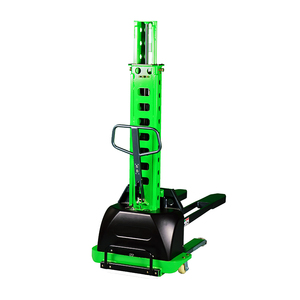
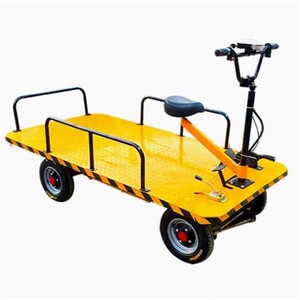
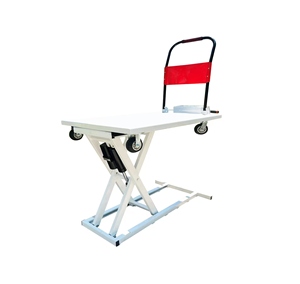
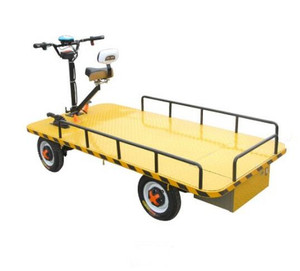
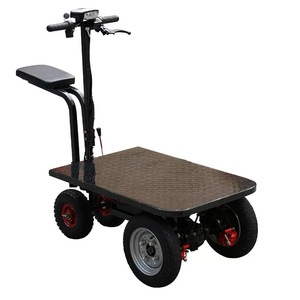
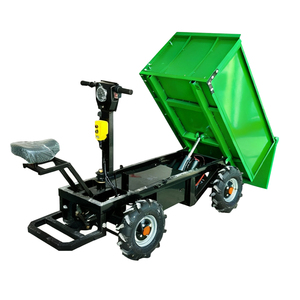
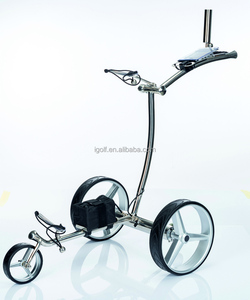
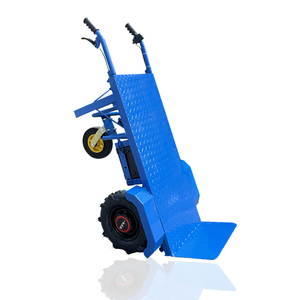
Beyond passenger transport, resort infrastructure depends heavily on back-of-house logistical mobility. Housekeeping staff, groundskeeping crews, maintenance technicians, and kitchen services require hardened utility tools designed to handle continuous load cycles:
Addressing the core technical, regulatory, and logistical considerations when importing resort carts from top OEM factories in China.
A standard golf cart is designed purely for off-road or golf course use, typically capped at 15 mph without safety registration paperwork. An LSV is a federally recognized motor vehicle category capable of speeds between 20 to 25 mph. LSVs are equipped with manufacturer-assigned 17-digit VINs, DOT-approved safety glass windshields, seat belts, headlights, turn signals, mirrors, and hydraulic braking systems—allowing them to be legally registered and operated on public roads posted at 35 mph or less.
Yes. OEM factories support complete custom branding. This includes custom DuPont exterior body paint matching your resort's exact Pantone palette, custom embroidered premium leather seating, specialized roof extended lengths, custom enclosure curtains, and branded front steering emblem plates.
Lithium Iron Phosphate (LiFePO4) offers three major operational advantages: long service life (3,500+ charge cycles vs. 500 for lead-acid), zero maintenance (no distilled water refilling or acid leak risks), and fast charging capabilities (full charge in 2–3 hours vs 8–10 hours). Additionally, lithium batteries reduce overall vehicle weight by up to 300 lbs, minimizing wear on resort turf and pavement.
Tier-1 factories supply full export documentation including Certificate of Origin (Form E/CO), CE Compliance Certification, UN38.3 & MSDS test reports for lithium battery ocean transport, DOT manufacturer registration numbers, and 17-digit VIN certificate papers for destination state/country DMV titling.
Reputable manufacturers provide 2-to-5-year limited warranties covering frame, motor, controller, and battery systems. Spare parts packages (such as brake pads, switches, tires, suspension arms, and light assemblies) are shipped alongside initial container orders, backed by technical video assistance and direct factory engineering support.
Connect with certified OEM engineers to request detailed product specifications, custom body customization options, and factory-direct wholesale pricing.
