Heavy-duty, electric-powered transport platforms engineered for warehousing, agricultural logistics, industrial sites, and commercial hospitality duty cycles.
Combining world-class OEM/ODM production scalability, rigourous international compliance standards (VIN/WMI/DOT), and deep structural customization.
Unlike off-brand suppliers selling uncertified assembly kits, our manufacturing facility assigns official 17-digit Vehicle Identification Numbers (VIN) registered under World Manufacturer Identifier (WMI) credentials, enabling full legal compliance for low-speed vehicle (LSV) registration across global markets.
Built upon heavy-duty tubular steel structural chasses validated for torsional rigidity and fatigue endurance. Robotic MIG welding guarantees uniform weld penetration, while multi-stage e-coating prevents corrosion in high-humidity agricultural, greenhouse, and coastal resort environments.
Equipped with high-efficiency AC brushless induction motors, intelligent Curtis controller units, and maintenance-free LiFePO4 battery packs featuring integrated Battery Management Systems (BMS) for thermal safety, rapid charging, and long cycle life.
An in-depth evaluation of technological shifts, battery innovations, regulatory pressures, and automation trends shaping global utility vehicle production through 2030.
The global commercial utility vehicle landscape is undergoing a structural transition driven by net-zero carbon directives, workplace safety regulations, and rapid advancements in electric powertrain technology. Commercial operators, agricultural enterprises, and logistics facilities are replacing legacy internal combustion engine (ICE) utility vehicles and manual push-carts with intelligent, high-payload electric utility carts and low-speed transport platforms.
While traditional lead-acid batteries historically dominated low-speed electric transport due to low initial costs, total cost of ownership (TCO) modeling has tipped heavily toward Lithium Iron Phosphate (LiFePO4) cell chemistry. Modern China utility vehicle factories are engineering modular LiFePO4 battery enclosures with intelligent CAN-bus integrated Battery Management Systems (BMS).
Workplace ergonomics and labor cost optimization are accelerating the adoption of self-propelled, electro-hydraulic utility carts. In agricultural, greenhouse, and construction environments, traditional manual hand trucks introduce high injury risks during repetitive heavy lifting.
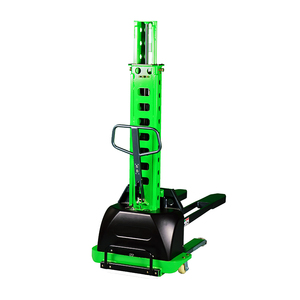
Leading Chinese manufacturing plants are standardizing integrated hydraulic scissor lifts, electro-hydraulic tipping tubs, and motor-assisted stair-climbing gearboxes. Equipment like customizable electric hydraulic hand trucks and self-unloading electric mini dumpers allow single operators to move up to 1,500 kg of materials safely, reducing operational headcount requirements while improving throughput speeds.
Commercial fleet buyers are demanding connected intelligence across utility vehicle fleets. Standard factory specifications increasingly incorporate IoT telemetry modules, enabling real-time GPS tracking, battery State of Health (SoH) diagnostics, geofencing, and remote speed limiting. Furthermore, chassis designs are adopting drive-by-wire steering and braking interfaces to support seamless retrofit upgrades into Automated Guided Vehicles (AGVs) for smart factory and automated warehouse deployment.
| Vehicle Class / Type | Standard Payload | Powertrain Configuration | Gradability (%) | Primary Industry Application |
|---|---|---|---|---|
| 1.5T Electric Pallet Jack | 1,500 kg | 24V/48V AC Brushless Motor | 10% - 15% | Warehousing, Pallet Logistics, Freight Terminals |
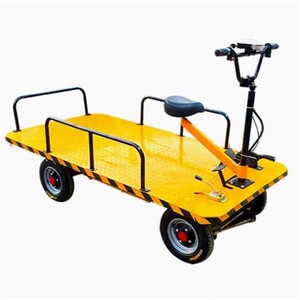
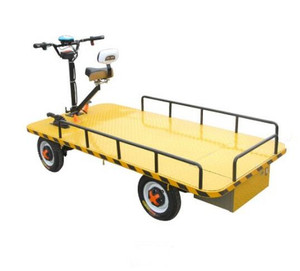
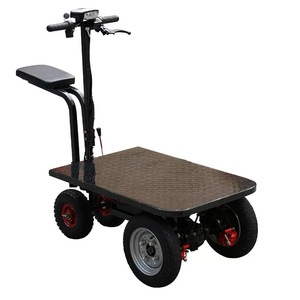
| Heavy-Duty Motorized Flatbed Cart | 500 kg - 2,000 kg | 48V/60V High-Torque Differential Motor | 15% - 25% | Industrial Plants, Manufacturing Logistics |
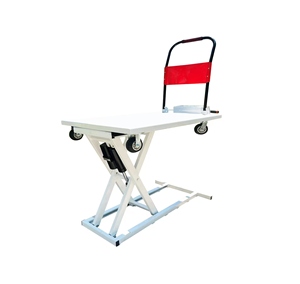
| Electric Hydraulic Greenhouse Cart | 300 kg - 800 kg | Electro-Hydraulic Scissor Lift + DC Drive | 12% - 18% | Commercial Greenhouses, Nursery & Crop Harvesting |
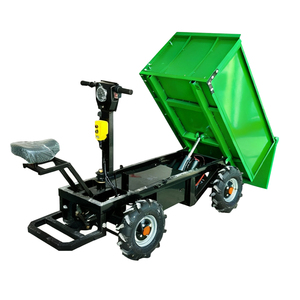
| Self-Unloading Electric Mini Dumper | 500 kg - 1,000 kg | Heavy-Duty Gearbox Drivetrain + Hydraulic Tip | 20% - 30% | Construction Sites, Landscaping, Mining Facilities |
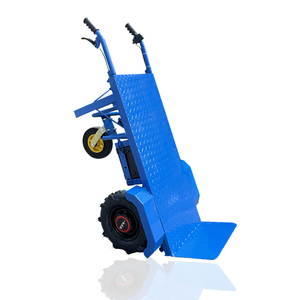
| Stair-Climbing Electric Trolley | 300 kg - 500 kg | Tri-Wheel Rotating Gear Assembly | N/A (Stair Riser) | Urban Last-Mile Delivery, Multi-Story Freight |
Navigating global supply chain shifts, OEM component standardization, and custom engineering procurement strategies when sourcing utility vehicles from China.
B2B procurement managers are stepping away from standardized off-the-shelf models in favor of custom-engineered utility vehicle chassis platforms tailored to exact operational environments. Key areas of demand include:
As municipalities and enterprise campuses enforce strict safety standards, importing low-speed utility vehicles requires verified compliance documentation. Global buyers are prioritizing China manufacturing partners capable of delivering certified DOT-compliant lighting packages (LED headlights, amber turn signals, brake tail-lamps, side reflectors), FMVSS-certified safety glass windshields, three-point seat belts, and fully documented 17-digit VIN stamping tied to registered WMIs.
Ocean freight cost volatility has driven international fleet distributors toward Semi-Knocked-Down (SKD) and Completely Knocked-Down (CKD) shipment strategies. By utilizing standardized modular chassis sub-assemblies and quick-connect wiring harnesses, a single 40ft High Cube container can hold up to 300% more units compared to fully built-up (CBU) vehicles. Top China utility vehicle factories provide localized assembly training manuals, jig tooling, and spare-parts kits to support overseas distribution partners.
Essential answers to critical engineering, OEM manufacturing, export certification, and ordering questions for international buyers.
A standard golf cart is designed for low-speed course or private property travel (typically capped at 15 mph) without strict safety equipment. A Low-Speed Vehicle (LSV) is a legally recognized vehicle classification capable of 20–25 mph speeds, equipped with FMVSS/DOT equipment (safety glass, seat belts, mirrors, complete lights, horn) and a unique 17-digit VIN assigned under a World Manufacturer Identifier (WMI), allowing titling and street-legal operation on qualifying public roads posted up to 35 mph.
Yes. As a primary manufacturer, we support comprehensive OEM/ODM customization. This includes custom powder-coated RAL color matching, laser-cut logo branding, tailored flatbed dimensions, specialized hydraulic lift ranges, modified axle gear ratios for heavy hill climbing, and specific battery capacity configurations based on your duty-cycle requirements.
We supply both heavy-duty Deep-Cycle Lead-Acid and high-performance Lithium Iron Phosphate (LiFePO4) battery packs. Our LiFePO4 solutions offer over 3,500 to 5,000 charge cycles, an integrated Smart BMS, 2–3 hour fast-charging capabilities, and zero routine liquid maintenance, making them ideal for heavy commercial usage over a 7- to 10-year lifespan.
All finished vehicles and sub-assemblies are secured within heavy-duty steel frame crates and wrapped in moisture-proof anti-corrosion shrink film. Tyres and structural chasses are anchored to container tie-down points using high-tensile ratcheting straps, ensuring zero movement or impact damage during multi-week ocean transit.
We provide a comprehensive warranty package: 3 years on structural chasses, 2 years on electric motors, controllers, and LiFePO4 batteries, and 1 year on wear-and-tear electrical accessories. We ship critical spare parts (relays, controllers, hydraulic seals, wheel bearings) alongside primary vehicle shipments for immediate localized dealer stock.
Standard lead times for custom OEM production runs (20ft to 40ft High Cube container volumes) range from 20 to 30 calendar days following technical drawing sign-off and deposit receipt. Sample testing units can be expedited within 10 to 14 days depending on custom fabrication complexity.
Contact our engineering and global supply team today to request comprehensive catalog spec sheets, factory-direct OEM price lists, or custom vehicle prototype quotations.
