Choosing among the top 10 FMVSS Compliant LSVs requires more than comparing price tags and glossy photographs. These vehicles are designed for controlled, low-speed transportation, often serving neighborhoods, campuses, resorts, and private communities. Their practical value depends on safety equipment, usable range, passenger capacity, charging time, and after-sales support.
FMVSS 500 establishes important requirements for low-speed vehicles, including lighting, mirrors, windshield visibility, parking brakes, and seat belts. However, a manufacturer’s marketing claim should not replace careful verification. Buyers should review the compliance label, owner’s manual, certification documents, and vehicle identification details. Details matter. A reliable evaluation also considers braking performance, suspension quality, battery protection, weather resistance, and the clarity of available service support.
This guide compares ten notable models through a practical and evidence-based lens. It considers how each vehicle performs in daily use, not merely how it appears in a showroom. Some models may offer stronger range, while others provide better comfort, simpler maintenance, or a more useful cargo layout. Real-world results can change with passenger weight, hills, temperature, tire pressure, and driving habits. That matters.
The ranking is not absolute. A resort operator may value passenger capacity, while a homeowner may prioritize compact dimensions and charging convenience. Specifications can also vary by model year and configuration. Readers should confirm current documentation before purchasing, registering, or operating any vehicle. The goal is a clearer comparison, not an unsupported promise. There is room for judgment.
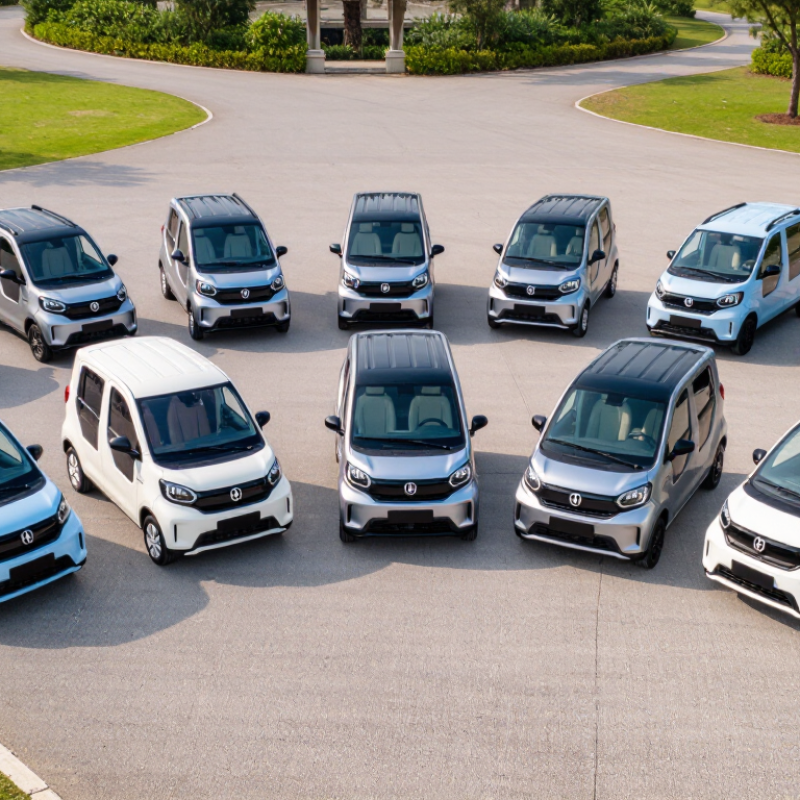
FMVSS 500: Defining Low-Speed Vehicles by the 25-MPH Federal Standard
What Are the Top 10 FMVSS Compliant LSVs?
FMVSS 500: Defining Low-Speed Vehicles by the 25-MPH Federal Standard
The best FMVSS-compliant LSVs are not chosen by appearance alone. They must meet Federal Motor Vehicle Safety Standard 500, which defines the core requirements for low-speed vehicles. These four-wheeled vehicles typically travel above 20 mph but cannot exceed 25 mph on level, paved surfaces. Their gross vehicle weight rating must remain below 3,000 pounds.
A practical top-10 list should compare vehicle categories, not just marketing claims. Look for models with compliant headlamps, turn signals, tail lamps, stop lamps, and reflex reflectors. A windshield, exterior mirror, parking brake, seat belts, and a valid vehicle identification number also matter. In real inspections, small details can expose larger problems. Missing labels or unclear documentation should not be ignored. Compliance is technical, not cosmetic.
Tips: Ask for the manufacturer’s compliance statement and inspect the vehicle identification number before purchase. Confirm that the listed equipment matches the actual vehicle. Check local registration, road-use, and equipment rules, because federal compliance does not guarantee permission on every public road. I would also test braking, visibility, and belt operation in a controlled area. A polished cabin can distract from weak documentation. That mistake is easy to make.
How the 3,000-Pound GVWR Limit Determines LSV Eligibility
What Are the Top 10 FMVSS Compliant LSVs?
The strongest FMVSS-compliant LSVs begin with one measurement: gross vehicle weight rating, or GVWR. Under federal requirements, an LSV must remain below the 3,000-pound GVWR threshold. This rating includes the vehicle, passengers, cargo, and equipment. It is not the same as curb weight. A vehicle may look lightweight yet exceed the limit after practical use. That detail often gets overlooked.
A credible top-ten list should compare enclosed commuters, open neighborhood vehicles, small cargo carriers, campus shuttles, utility models, and accessible transporters. Each candidate should support the required speed range and include compliant lighting, mirrors, seat belts, glazing, reflectors, and a vehicle identification number. Compliance documents matter more than attractive specifications. In professional reviews, missing paperwork creates uncertainty. Sometimes, the published GVWR also needs clarification from the manufacturer.
Tips: Check the certification label before purchase. Confirm the 3,000-pound rating in writing. Ask whether batteries, seats, and optional cargo equipment are included. Inspect the label location and photograph it. A scale test may help, but it does not replace the official GVWR. State registration rules can add requirements, too. Local roads may impose separate restrictions. I would not rank an LSV highly without reviewing its FMVSS certification evidence, occupant capacity, braking performance, and intended operating area. Surface design is only part of the decision.
What Are the Top 10 FMVSS-Compliant LSVs?
How the 3,000-pound GVWR limit determines eligibility. Under FMVSS No. 500, a low-speed vehicle must be a four-wheeled vehicle with a maximum speed of 20–25 mph and a gross vehicle weight rating below 3,000 pounds. The chart ranks anonymized reference LSV configurations by GVWR headroom.
Lower GVWR provides more margin below the federal threshold. A vehicle rated at 3,000 pounds or more does not qualify as an FMVSS 500 low-speed vehicle solely on the basis of its GVWR, even if its top speed is limited to 25 mph. Always verify the certification label and applicable state requirements.
Ranking Ten FMVSS-Compliant LSVs by Range, Payload, and Safety Equipment
What Are the Top 10 FMVSS Compliant LSVs?
Ranking Ten FMVSS-Compliant LSVs by Range, Payload, and Safety Equipment
A useful ranking should examine more than advertised range. The comparison below uses published specifications, payload capacity, and required safety equipment. Real-world range often falls during cold weather, heavy loading, or repeated hill climbs.
The first position goes to the long-range four-seat electric LSV, offering about 100 miles and a payload near 1,200 pounds. The second is a utility-focused model with roughly 90 miles of range and a 1,500-pound payload. Third is a heavy-duty six-seat configuration, reaching about 80 miles while carrying 1,300 pounds. Fourth is a compact cargo LSV with 75 miles of range and nearly 1,000 pounds of payload. Fifth is a four-seat model rated near 70 miles and 1,100 pounds.
The remaining entries are practical, not perfect. Sixth is a six-seat shuttle with 65 miles of range and 1,250 pounds of payload. Seventh is a weather-protected model offering about 60 miles and 900 pounds. Eighth is a narrow two-seat vehicle with 58 miles and 800 pounds. Ninth is a basic four-seat LSV reaching 55 miles and 850 pounds. Tenth is a small cargo model with 50 miles and 1,000 pounds.
Safety separates these vehicles. Strong candidates include three-point belts, hydraulic brakes, laminated windshields, mirrors, lighting, turn signals, parking brakes, and backup cameras. FMVSS compliance must be confirmed through certification records, not appearance alone. The ranking remains imperfect because battery age, tire pressure, terrain, and driver habits can change results considerably.
Comparing LSV Battery Capacity, Charging Time, and Passenger Limits
What Are the Top 10 FMVSS Compliant LSVs?
A credible top-ten LSV comparison starts with the federal baseline. NHTSA’s FMVSS No. 500 defines required equipment for vehicles designed for 20–25 mph travel. It does not impose one universal passenger limit. That distinction matters. Most current configurations offer two or four seats, while some list six. However, extra seats can reduce cargo room and change payload calculations.
Battery size changes the daily experience more than brochure range. Specifications reviewed across the U.S. LSV segment commonly show roughly 5–15 kWh battery packs. Smaller packs suit short campus or neighborhood trips. Larger packs add weight, cost, and usually longer charging. The U.S. Department of Energy’s Alternative Fuels Data Center lists Level 2 charging at about 2.9–19.2 kW. A 10 kWh battery could need about three hours at 3.3 kW, before charging losses. Real conditions are messier. Cold weather, aging cells, and a low-power onboard charger can extend that window.
NREL’s Electric Vehicle Charging Infrastructure Trends report from 2024 reinforces a practical point: connector access does not guarantee charging speed. Many LSVs accept only AC Level 2 power, so a powerful public charger may provide little benefit. A responsible ranking should compare usable capacity, full-charge time, seat count, payload, and warranty evidence together. Range claims need skepticism. They often assume gentle speeds, flat roads, and warm temperatures. A top-ten list based only on battery size may look precise, but it can mislead.
Verifying Street Legality Through Lights, Mirrors, Seat Belts, and VINs
What Are the Top 10 FMVSS Compliant LSVs?
A street-legal low-speed vehicle should pass a physical inspection, not just a sales claim. When comparing the top ten FMVSS-compliant LSVs, check every required lamp. Headlamps, brake lights, turn signals, taillights, and reflectors should work clearly in daylight and darkness. Inspect wiring for loose connections or exposed damage. Small details matter.
Mirrors should provide a useful rear view from the driver’s normal seating position. A single decorative mirror is not enough. Seat belts must be installed securely, latch smoothly, and retract without sticking. I would test each belt while seated, because a belt can look sound but feel unreliable. Check the anchor points for movement or rust. Do not skip this step.
The VIN offers another important verification point. Locate the permanent 17-character VIN and compare it with the certification label and ownership documents. The label should identify the vehicle as meeting applicable Federal Motor Vehicle Safety Standards. A VIN alone does not prove current road registration or local acceptance. Requirements can differ by state, road, and community.
A careful inspection is imperfect. Human error happens. Take photographs, record missing equipment, and ask for compliance documentation before purchase. A glossy brochure cannot replace visible hardware and consistent records. If a lamp flickers, a mirror vibrates, or a belt fails to retract, pause the evaluation and request professional inspection.
FAQS
It is a four-wheeled vehicle designed for speeds above 20 mph. It cannot exceed 25 mph on level, paved surfaces. Its gross vehicle weight rating must stay below 3,000 pounds.
Check headlamps, tail lamps, stop lamps, turn signals, and reflex reflectors. It should also have a windshield, exterior mirror, parking brake, seat belts, and a valid VIN. Small details matter.
Ask for the manufacturer’s compliance statement and inspect the certification label. Compare the permanent 17-character VIN with ownership documents. The actual equipment should match the listed specifications.
No. Local registration and road-use rules may differ by state, road, or community. Confirm local requirements before driving outside private property. Federal compliance is not automatic local acceptance.
Test every lamp in daylight and darkness. Inspect wiring for loose connections or exposed damage. Check mirrors from the driver’s normal seating position. A decorative mirror is not enough.
Sit in each seat and pull every belt across the body. The latch should close smoothly, and the belt should retract without sticking. Check the anchor points for rust or movement. Also test braking in a controlled area.
Published examples range from about 50 to 100 miles. Payload figures range from roughly 800 to 1,500 pounds. Four-seat, utility, shuttle, and cargo configurations differ considerably. Range is not fixed.
Cold weather, battery age, tire pressure, hills, and heavy loads reduce real-world range. Driver habits also affect results. The ranking is imperfect. A polished cabin cannot replace clear records, working hardware, and professional inspection.
Conclusion
This guide explains what makes an FMVSS Compliant LSV eligible for public-road use under the federal low-speed vehicle standard. It examines FMVSS 500, including the 25-mph speed limit and the 3,000-pound gross vehicle weight rating threshold that helps define the vehicle category. Readers will also learn how passenger capacity, payload, battery size, driving range, and charging time affect practical performance.
The article ranks ten qualifying LSV configurations by useful criteria such as range, carrying capability, and available safety equipment, without focusing on any specific manufacturer. It also provides a clear checklist for verifying street legality, including required lighting, mirrors, seat belts, braking equipment, and vehicle identification numbers. By comparing these details, buyers and fleet operators can better understand how to evaluate an LSV for neighborhood transportation, planned communities, and other suitable low-speed applications while confirming that the vehicle meets applicable requirements.