Buying a Low-Speed Electric Vehicle can look simple until real daily needs enter the picture. A quiet test drive may feel convincing, yet parking space, road surface, weather, and passenger comfort can change the decision. Small details matter.
This guide presents 10 practical tips for comparing models with greater confidence. It considers driving range, charging time, battery type, motor performance, braking, tires, seating, storage, safety equipment, and after-sales support. A vehicle that travels smoothly on a flat showroom floor may struggle on a steep driveway. A stated range may also shrink in cold weather, with heavy loads, or after years of battery use.
Reliable buying decisions require more than reading a product page. Check the manufacturer’s specifications, warranty terms, service network, and replacement-part availability. Ask a qualified dealer or technician to explain battery chemistry, charger compatibility, and maintenance intervals. Confirm local requirements for vehicle classification, road use, registration, insurance, and required safety equipment. These rules differ by location and can change over time.
The cheapest model is not always the most economical. Calculate charging costs, battery replacement risk, tire expenses, and expected service needs. Sit in the vehicle, inspect visibility, test the turning radius, and listen for unusual motor or brake sounds. The brochure is not enough.
No checklist is perfect. Personal habits still matter. Use these tips as a practical framework, then question every impressive claim. A careful purchase should fit your route, climate, budget, and comfort—not merely resemble the most attractive photograph.
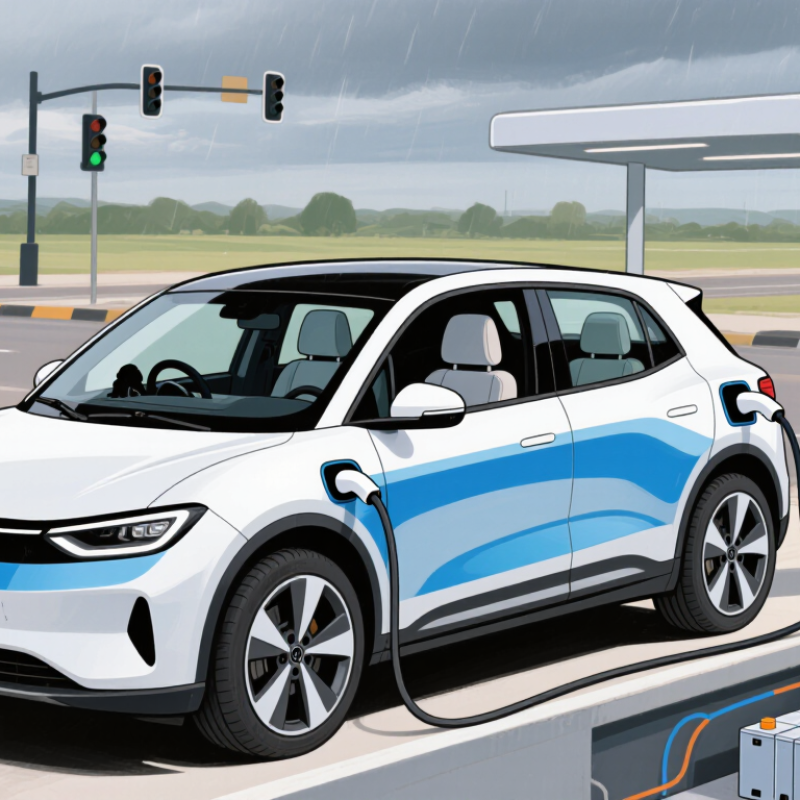
Define Your Driving Needs and Vehicle Use Cases
A low-speed electric vehicle should match your daily routes, not just your preferred appearance. Record your usual distance, road surfaces, passenger needs, and parking conditions. A short neighborhood trip requires different equipment from a daily commute across several districts. Write down your longest regular journey. Include hills, rough pavement, rain, and winter temperatures. These details can change battery performance and driving comfort.
At home, measure the garage entrance and charging area. Check whether the vehicle can turn comfortably in narrow spaces. During a test drive, notice the seat position, mirror visibility, braking response, and storage access. Small details matter. Carry the items you actually use, such as groceries, tools, or a folded wheelchair. A vehicle may feel practical until the rear storage cannot hold one full shopping bag.
I once made my checklist too tidy and underestimated how often I needed extra cargo space. That mistake would have been expensive. Think about occasional needs, but do not choose a much larger vehicle for rare events. Confirm the permitted speed, passenger capacity, charging requirements, and local road rules before buying. Ask the seller for clear specifications and realistic range estimates under comparable conditions. If possible, test the vehicle on your real route, including a slope and a tight parking area. Your notes may expose a better use case than your first idea.
Speed, range, battery type, and charging needs deserve careful attention before any purchase. A low speed electric vehicle may suit neighborhood roads, campuses, or private communities, but its permitted speed varies by location. Check local requirements before relying on it for daily travel. During a test drive, watch the speed display on hills and rough pavement. A vehicle that feels quick on flat ground may slow noticeably under load.
Range figures often come from controlled testing. Real distance changes with passenger weight, temperature, tire pressure, hills, and frequent stops. Leave a practical reserve instead of planning every trip around the advertised maximum. A 35-mile estimate may feel inadequate when winter reduces usable range. That matters.
Battery type affects weight, service life, charging time, and maintenance. Ask for the battery’s usable capacity, expected cycle life, replacement cost, and warranty terms. Lithium-based batteries usually offer lighter weight and faster charging, while lead-based options may cost less initially. Neither choice is automatically best. Request written test records when possible, not only verbal assurances.
Charging requirements should match your parking space. Confirm the charger’s voltage, plug type, cable length, and circuit rating. A standard household outlet may work, but some vehicles need a dedicated circuit. Measure the outlet distance before buying. Charging overnight sounds simple, yet cold weather can extend the process. Inspect the cable for heat, damage, or loose connections. I would rather discover an inconvenient charging routine during a test week than after delivery.
Safety should be checked before comfort or styling. The U.S. NHTSA defines a low-speed vehicle as four-wheeled, capable of 20–25 mph, and weighing under 3,000 pounds. This classification comes from 49 CFR §571.3. Local rules may differ, so verify registration, road access, lighting, and insurance requirements before paying.
Look for three-point belts, reinforced door beams, strong roof pillars, reliable brakes, reflective lighting, and a visible vehicle identification number. NHTSA crash data consistently shows that seat belts are essential in reducing occupant deaths, even during relatively slow impacts. Ask for battery test records, charger protection details, and evidence of thermal management. A sealed battery enclosure matters when rain reaches the floor.
Build quality appears in small details. Inspect welds, suspension joints, tire load ratings, and panel alignment. Uneven gaps can suggest rushed assembly. The International Energy Agency reported more than 14 million electric cars sold globally in 2023, but rapid market growth does not guarantee uniform manufacturing quality. That is easy to forget. Do not rely only on a certificate or showroom demonstration. Test the vehicle on rough pavement, check braking stability, and listen for drivetrain noise. A formal compliance label is useful, yet it cannot replace careful inspection.
Buying a low-speed electric vehicle requires more than checking its sticker price. Calculate charging equipment, insurance, registration, electricity, tires, and battery replacement risk. The U.S. Department of Energy notes that electric vehicles avoid oil changes and usually need less brake maintenance. Still, a small vehicle can hide expensive parts.
Tip: Request a five-year cost worksheet from the seller. Include local electricity rates and your average weekly distance. Compare that figure with fuel and service costs for a similar vehicle. Consumer Reports estimated that electric vehicle owners could save about $4,600 in lifetime maintenance costs. That estimate is useful, but it is not guaranteed for every low-speed model.
Read the warranty beside the salesperson. Many electric vehicles use battery coverage near eight years or 100,000 miles, while low-speed vehicles may offer less. Ask whether capacity loss, charging equipment, labor, and roadside assistance are included. The International Energy Agency’s Global EV Outlook reports that battery prices fell significantly in 2023, yet replacement pricing still varies widely. Get a written quote. Ask who performs repairs, where parts are stored, and how long common components take to arrive.
Tip: Visit the service facility before purchasing. Look for diagnostic tools, trained technicians, and a clear maintenance schedule.
I would also test the vehicle on a rough road. Quiet faults are still faults. Some estimates will be imperfect; real repair history matters more than polished promises.
A careful inspection can reveal problems that a clean exterior hides. Walk around the vehicle in daylight and check the frame for cracks, uneven gaps, or fresh paint. Look closely at the tires. Uneven wear may indicate poor alignment or worn suspension parts. Inspect the battery case for swelling, corrosion, leaks, or damaged cables. Ask for charging records and maintenance history. Missing records are not automatic deal-breakers, but they increase uncertainty.
Test every control before driving. The headlights, brake lights, turn signals, horn, wipers, display, and parking brake should respond immediately. Sit in each seat and check visibility, belt condition, door locks, and storage space. A loose seat or weak latch can become a serious distraction. I once focused so much on the battery range that I missed a stiff steering joint. That mistake changed my inspection routine.
During the test drive, choose a quiet, permitted area with a flat surface and gentle turns. Start slowly, then test acceleration, braking, steering, reverse, and hill performance. Listen for clicking, grinding, or unusual motor sounds. The vehicle should stop smoothly without pulling to one side. Release the accelerator and notice whether regenerative braking feels predictable. Try the controls again after ten minutes, when components become warm. Do not trust a short, silent ride completely. A second test drive with another person may reveal issues you overlooked.
In the United States, it generally has four wheels, reaches 20–25 mph, and weighs under 3,000 pounds. Local definitions may differ.
Look for three-point belts, reinforced door beams, strong roof pillars, reliable brakes, reflective lights, and a visible identification number. Safety comes before styling.
Confirm registration, permitted roads, lighting rules, and insurance requirements with local authorities. Do not assume one region’s rules apply elsewhere.
Check for swelling, corrosion, leaks, and damaged cables. Ask for battery testing records, charging history, charger protection, and thermal management details.A sealed enclosure helps when rain reaches the floor.
Inspect welds, suspension joints, tire load ratings, panel alignment, and frame condition. Uneven gaps can suggest rushed assembly. Small gaps matter.
Test acceleration, braking, steering, reverse, hill performance, and regenerative braking. The vehicle should stop smoothly without pulling sideways.
Walk around it in daylight and check for cracks, fresh paint, uneven tire wear, and loose seats. A clean exterior proves little.
Treat both as useful evidence, not complete proof. Drive on rough pavement, listen for drivetrain noise, and inspect the vehicle carefully.
Not always. Test it twice.A second drive can reveal warm-component problems or unfamiliar steering behavior. Another person may notice what you missed.
Buying a Low-Speed Electric Vehicle begins with understanding how and where you plan to drive. Consider your daily routes, passenger needs, cargo space, road conditions, and expected travel distance before choosing a model. Carefully compare maximum speed, driving range, battery type, charging time, and charging location to ensure the vehicle fits your routine. Safety should also be a priority, including reliable brakes, lighting, seat belts, structural strength, visibility, and compliance with applicable local standards.
Beyond the purchase price, calculate the total cost of ownership by reviewing energy expenses, insurance, servicing, replacement parts, warranty coverage, and available maintenance support. A thorough inspection can reveal issues with the body, tires, battery, controls, suspension, and charging equipment. Finally, complete a practical test drive in conditions similar to your regular use. Pay attention to acceleration, steering, braking, comfort, noise, and ease of operation. A careful, needs-based evaluation will help you choose a dependable vehicle that offers practical value and long-term confidence.